













Fotocredit Josef Köberl @ Barbara Anderl
Why Cold Water Resonates So Strongly Today
Cold-water immersion has been part of human experience for generations but today, more and more people are embracing it intentionally. That sharp, crystal-clear moment in icy water creates a powerful pause from the noise of daily life. Blogs, influencers, documentaries, and talk shows centered on winter wellness and outdoor activities fuel curiosity and inspire people to experience cold water firsthand. At the same time, there’s a growing longing to reduce stress, strengthen the mind, and reconnect with the body. Cold water delivers an immediate, unmistakable response. Within seconds, your senses sharpen and your body awakens, whether you’re stepping into a frozen lake or lowering yourself into a wooden tub. For many, this sparks a deeper fascination with the cold and opens the door to exploring the different ways we can engage with icy water.
Why the Terms “Ice Bathing” and “Ice Swimming” Are So Often Mixed Up
Ice bathing and ice swimming are frequently confused because both happen in freezing water and can look very similar from the outside. Media coverage and social platforms blur the lines even further, using phrases like “bathing in ice,” “winter dip,” “cold dip,” or “cold-water training” interchangeably. This vague language makes it hard to spot the real differences between the two. The key distinction is simple:
Ice bathing is about stillness and a short, mindful stay in the cold, while ice swimming is about movement and covering distance.
This means that ice bathing centers on a quiet, intense moment in icy water, whereas ice swimming turns the cold into an athletic challenge defined by motion and endurance.
What Is Ice Bathing Really About? – Roots, Rituals & Modern Trends
Ice bathing means intentionally stepping into icy water without turning it into a sport. With strong roots in Scandinavian and Slavic cultures, the practice has gained global momentum in recent years. Today, many people turn to ice bathing to master their breathing, strengthen mental resilience, and find balance in a stressful world. Along the way, a wide range of approaches has developed: raw nature dips, purpose-built ice baths, cold plunge pools in wellness spaces, and high-tech options like cryotherapy. Each form opens a different door to the powerful experience of cold.
Classic Ice Bathing – From a Brief Dip to a Mindful Ritual
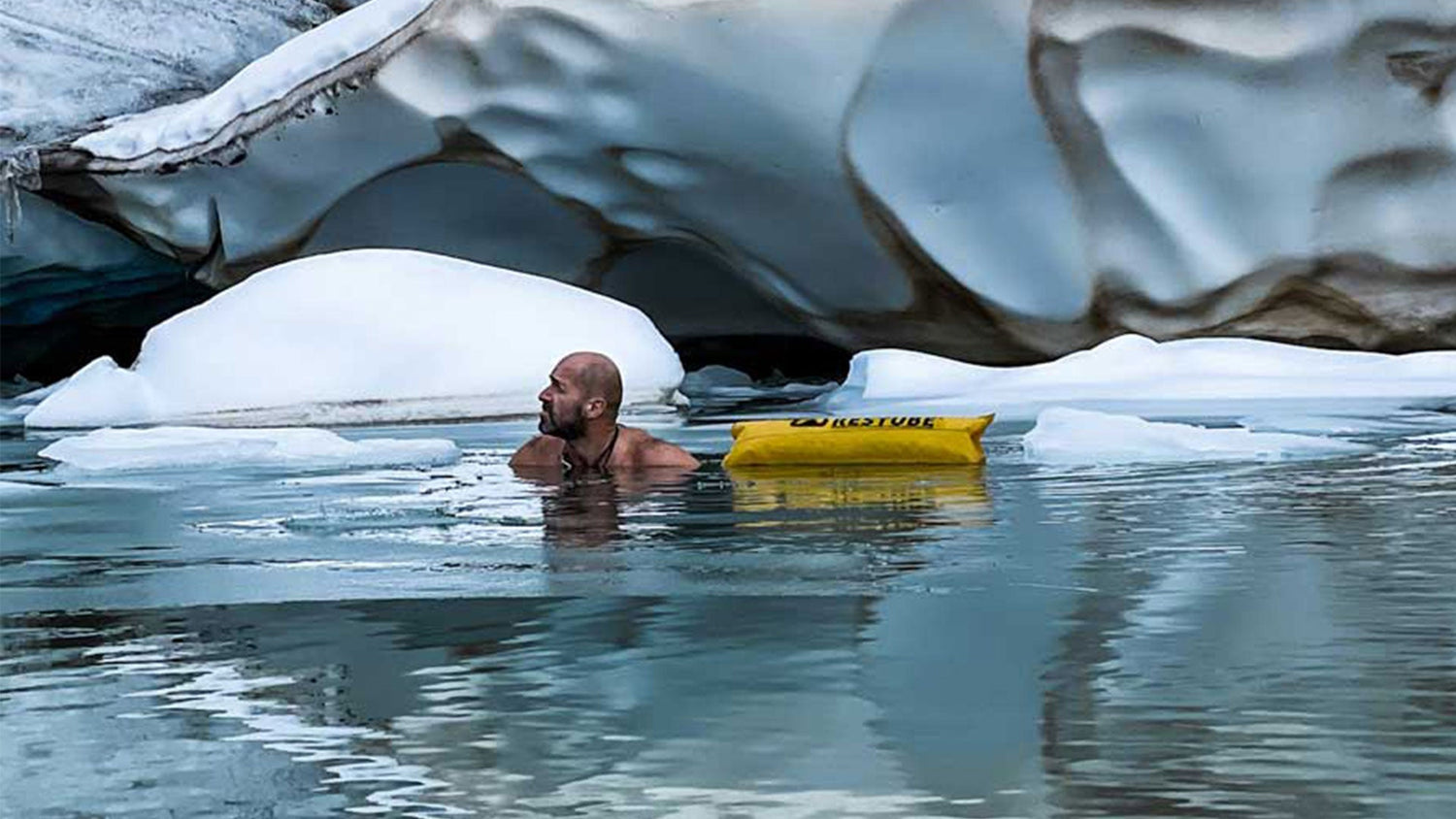
At its core, classic ice bathing means stepping into icy water for a short time without movement. The attention turns inward, toward the breathing and the body’s immediate sensations. Many prefer natural lakes or rivers, where the quiet surroundings amplify the calming effect. Beginners usually start with just a few seconds, slowly building confidence and tolerance. The cold hits hard, but its intensity remains controllable thanks to the brief exposure. Practiced mindfully, ice bathing sharpens concentration and helps release built-up tension. It’s an ideal approach for those looking for mindfulness, simplicity, and a powerful yet accessible cold-water ritual.
Ice Bathing in a Wooden Barrel – Cold Exposure in Your Own Backyard
Ice bathing in a wooden barrel brings the cold-water experience straight to your home. With a consistently controllable temperature, it’s an ideal setup, especially for beginners. The protected environment makes it easier to focus on breathing and stay mentally present. For many, the barrel becomes a fixed ritual, woven into morning or evening routines. The cold still delivers a powerful stimulus, but within a clearly defined and reliable setting. This makes wooden-barrel ice bathing a safe, accessible way to establish a sustainable cold practice, offering an authentic icy experience even without lakes or rivers.
Ice Bathing Methods – From Breathing Techniques to Guided Sessions
Ice bathing methods blend controlled breathing, intentional preparation, and defined time limits to help the body adapt to cold step by step. Many practitioners rely on proven breathwork techniques to stay composed when the first wave of the initial cold shock. Guided group sessions add structure, confidence, and expert guidance, teaching essential fundamentals for a safe introduction. Modern hybrid options like purpose-built cold-plunge pools, home ice baths, or cryotherapy make cold exposure more accessible than ever. Each approach has its own rhythm and purpose, tailored to different goals. What unites them is mindful interaction with the cold and a gradual, respectful introduction to ice bathing, creating a safe space for a powerful physical experience.
Those who want to make ice bathing a regular practice thrive on clear, well-defined routines. Focused breathing before entry, a calm and controlled immersion, and a prepared exit all play a key role. Most beginners start with brief cold exposures and slowly extend their time in the water. Natural bodies of water demand extra awareness, as temperatures, footing, and currents can change unexpectedly. That’s why ice bathing should never be done alone, and personal limits should always be respected. Every body responds differently to cold, so patience and gradual adaptation are essential. At the heart of it all lies safety, mindfulness, and a deep awareness of your own body.

Ice Swimming Explained – Where Cold Meets Competitive Sport
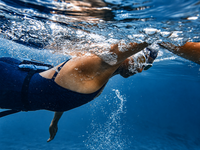
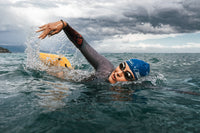
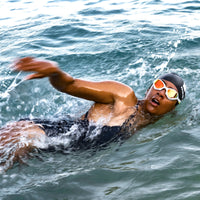
Ice swimming is a sport in its own right, pushing athletes to swim set distances in near-freezing water. According to the International Ice Swimming Association (IISA), ice swimming takes place in water temperatures of no more than 5.0°C (41°F), with no supportive equipment — just a swim cap, goggles, and a classic swimsuit or trunks. To ensure fairness and safety, the IISA enforces a globally recognized rulebook governing equipment, procedures, safety standards, and official world records.
Unlike ice bathing, which centers on stillness and conscious cold exposure, ice swimming is all about performance. Athletes tackle distances ranging from short, explosive swims to grueling open-water challenges, all under strict guidelines. Success depends on physical endurance, efficient stroke technique, and precise breath control, as the body loses heat rapidly in these extreme conditions. Ice swimming demands disciplined training and exceptional mental toughness, and has earned its place as a respected winter sport around the world.
A Clear Objective: Why Ice Swimming Is More Than Just a “Winter Dip”
Ice swimming is all about distance and intention. Moving through icy water places simultaneous demands on breathing, muscles, and the cardiovascular system. Even the shortest swims can be intense, as the body loses heat far more quickly than in warmer conditions. Efficient technique and a controlled breathing rhythm become essential tools in the water. Many swimmers describe the training as a powerful mental and physical test that delivers a deep sense of achievement. Careful preparation keeps the challenge within safe limits. The result is a truly athletic experience, the one that stands apart from the calm, static nature of ice bathing.
Types of Ice Swimming and Documented Forms of the Sport
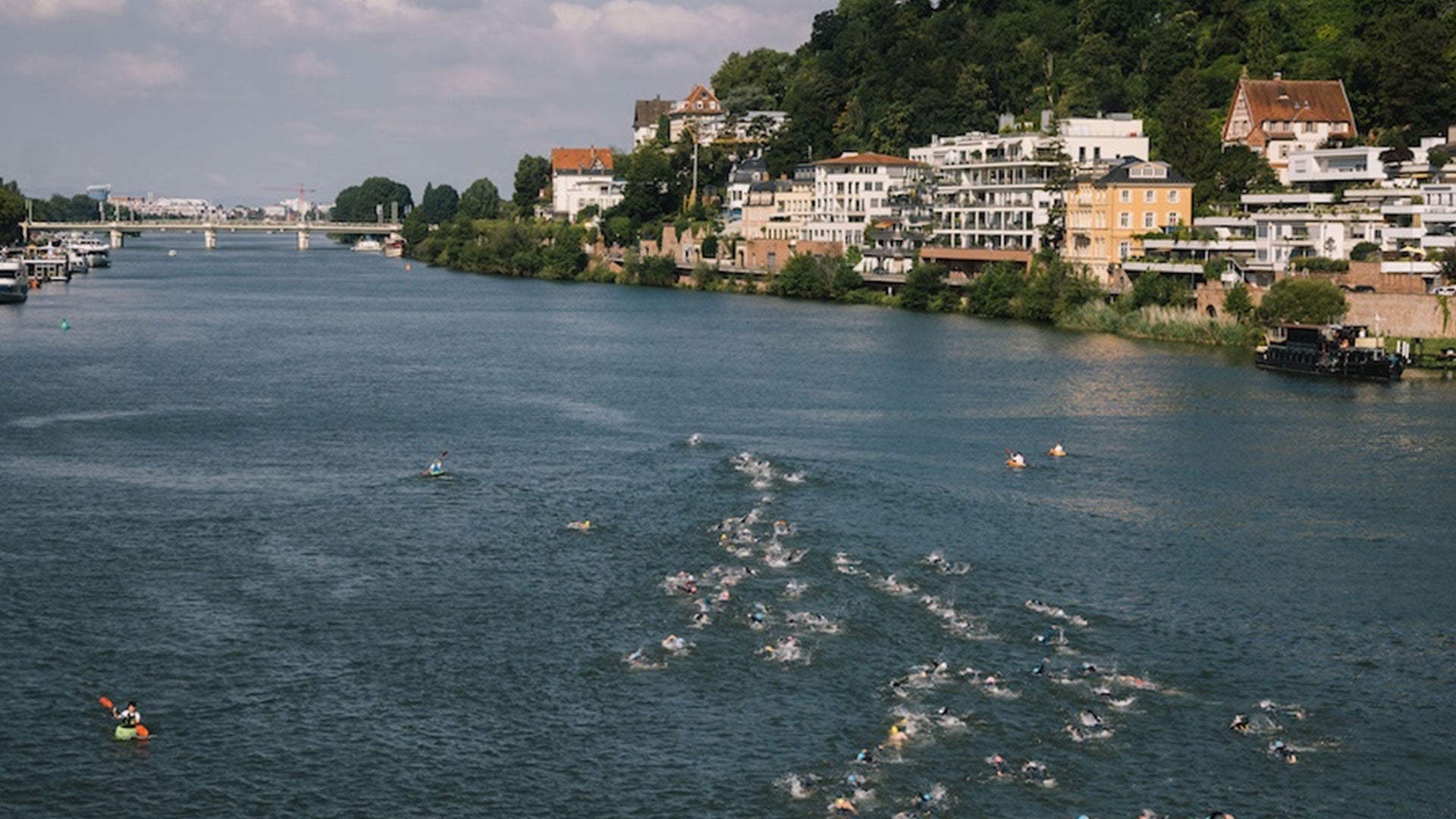
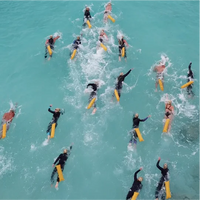
Ice swimming spans a range of disciplines, from short sprints and middle distances to demanding long open-water challenges. International competitions showcase just how varied and global this sport has become. Efficient technique is essential to preserve energy and withstand the cold for as long as possible. Beyond time in the water, many athletes train their cold tolerance on land as well. Navigation and clear visibility are crucial, especially in open water. Each discipline brings its own unique demands on physical strength, mental focus, and preparation.
Explore the full spectrum of sports in cold water
Ice Bathing vs. Ice Swimming – The Most Important Differences at a Glance
While both experiences unfold in icy water, their goals and demands couldn’t be more different. Ice bathing is about mindfulness and brief, controlled cold exposure, whereas ice swimming revolves around performance, technique, and endurance. The body reacts in fundamentally different ways. Ice bathing is still and introspective; ice swimming is dynamic and strength-driven. Recognizing these differences makes it easier to discover the form of cold that truly suits your needs.
Physical Strain and Intensity – Two Very Different Ways the Cold Works
Ice bathing delivers a brief but powerful shock that instantly awakens the body, drawing attention to breath and mental focus. Ice swimming, on the other hand, creates sustained stress, as the body must perform while immersed in icy water. The cardiovascular system and muscles stay engaged throughout, with intensity rising as distance increases. Both practices can be beneficial, but each calls for a different kind of preparation. Ultimately, it’s your own body awareness that determines which form of cold exposure feels right for you.
Equipment and Preparation – Why Ice Swimmers Take a Different Path
Ice bathing typically requires little more than warm clothes for before and after the dip. Ice swimmers, however, approach the cold like athletes, equipped with swim caps, goggles, and often a structured training plan. Their preparation doesn’t stop at the water’s edge; focused warm-up routines are an essential part of the process. Open water adds extra challenges, from navigation to safety considerations. That’s why many ice swimmers train with others and in carefully managed conditions. The right gear supports performance and safety, making solid preparation and knowledge absolutely essential.
Time, Distance, and Body Alignment – From a Quick Dip to True Athletic Demand
Ice bathing is typically measured in minutes, delivering a short and focused cold stimulus. Ice swimming, on the other hand, revolves around clearly defined distances — 25, 50, or even 100 meters. Body alignment plays a crucial role, affecting heat loss and overall performance in icy water. Each distance brings unique demands on breathing control and muscular strength. While ice bathing remains still and contemplative, ice swimming calls for continuous movement and adaptation. This fundamental contrast shapes the entire experience, depending on whether you want a mindful cold moment or a full-fledged athletic challenge.
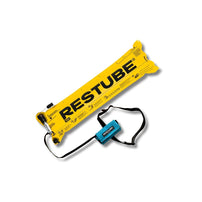
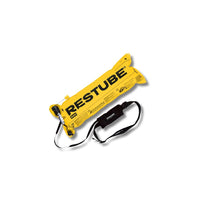
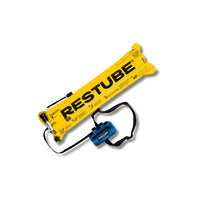
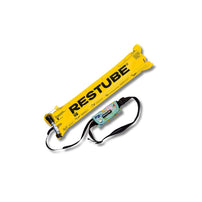
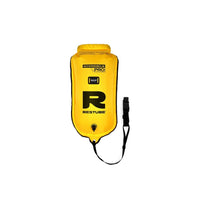
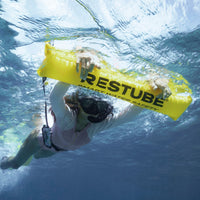
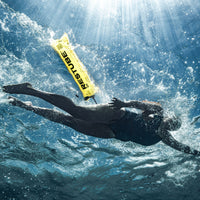
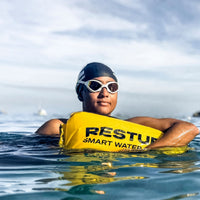
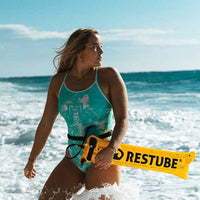
Stay safe during ice bathing and winter swimming with RESTUBE ACTIVE
Which Path Suits You Best? – A Guide for Beginners and Advanced Cold-Water Enthusiasts
Ice bathing and ice swimming open up different ways to embrace winter with intention. If you’re looking to slow down and find inner balance, ice bathing offers a calm and grounding entry point. If you thrive on physical challenges, ice swimming invites you to test and expand your limits. Both practices deepen body awareness and strengthen trust in your own capabilities. What matters most is starting slowly, and with thoughtful preparation.
If Mindfulness Is Your Goal: Gentle Ice Bathing
Gentle ice bathing offers a calm and accessible introduction to the cold. Whether you step into a lake, a wooden barrel in your garden, or a dedicated cold-plunge pool, the setting supports a sense of inner peace. Attention is directed toward the breath and fully experiencing the present moment. Sessions are intentionally brief, keeping the body within safe limits. Many emerge feeling clear-headed, grounded, and relaxed. This form is especially suited for those seeking mental balance and subtle, sustainable strength—where mindfulness takes center stage.
If You Crave Athletic Challenges: Your Entry into Ice Swimming
Ice swimming attracts those who want to push their physical limits. Most begin with short, manageable distances and build up step by step. Consistent training sharpens breathing control and connection with the water. The sport delivers a powerful sense of presence and personal achievement. Movement combined with icy temperatures creates an intense but deeply rewarding experience. As experience grows, so does trust in your own technique. Ice swimming is the perfect choice for anyone driven by clear goals and athletic challenges.
Safety Comes First – Why Mindful Preparation Matters
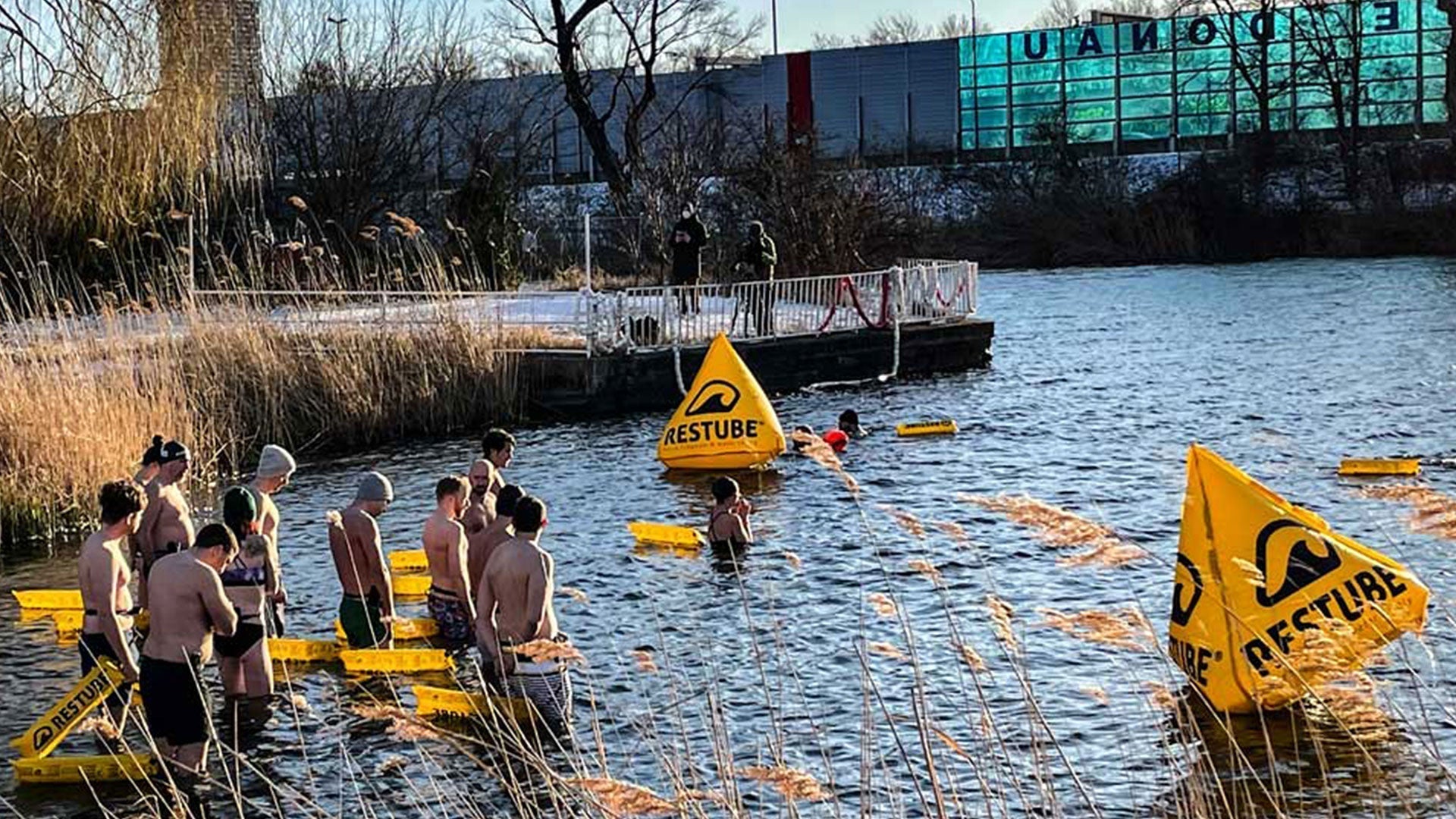
Whether ice bathing or ice swimming, safety is non-negotiable. Cold water can shock the body within seconds, making thoughtful preparation and a clear routine vital. A controlled entry, warm clothing afterward, and honest awareness of personal limits all play a key role. In open water, extra precautions like safety buoys add an important layer of protection. Practicing with a companion further increases safety and confidence in the cold.
Begin Your Winter Water Experience Safely and with Confidence
Ice bathing and ice swimming open up two compelling ways to fully embrace winter. Both build physical and mental strength, yet differ significantly in intention and intensity. Knowing these differences empowers you to choose the path that truly fits your lifestyle. With mindfulness and solid preparation, cold water becomes not just a challenge, but a deeply enriching experience. A conscious approach enhances safety and makes your practice sustainable.
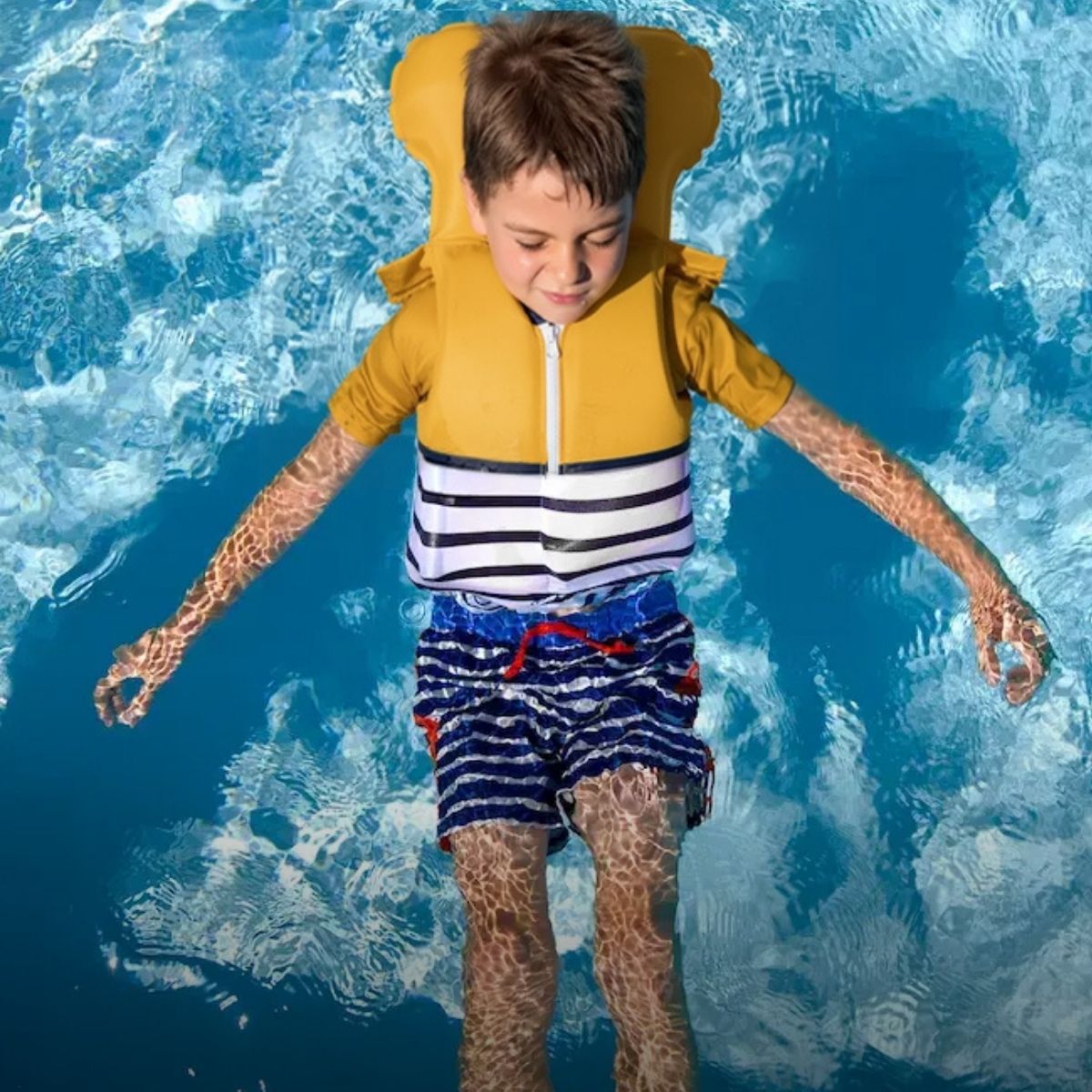
When you are ready to step into cold water with purpose, start thoughtfully and well prepared. Choose the path that matches your goals—peaceful ice bathing or performance-driven ice swimming. Safety should always be part of the plan, especially in open water. RESTUBE products add an extra layer of security by providing emergency buoyancy, helping you enjoy your winter water moments with greater confidence.