



~ 500
SUP accidents per year in Switzerland
Suva
+164%
increase in SUP fatalities in the US – from 11 to 29 deaths between 2023 and 2024
US Coast Guard, Recreational Boating Statistics 2024
413
paddleboarding incidents handled by RNLI lifeguards on beaches across the UK and Channel Islands in 2024
RNLI
87%
of drowning victims in US recreational boating accidents – including SUP, kayak and canoe – were not wearing a life jacket (2024)
US Coast Guard, Recreational Boating Statistics 2024
Hazards in Detail
What Can Happen on Your Board
On a SUP, wind, current, and balance all come into play at once. That's what makes it unpredictable. The better you know the hazards, the calmer you'll stay when it counts.
-
Corrente inaspettata?
-
Lontano dalla costa?
-
Condizioni dell'acqua difficili?
-
Potere che si affievolisce?
-
Panico?
-
Problemi circolatori?
-
Avete perso o rotto la vostra attrezzatura?
-
Fall into the water?
-
Cambiamenti climatici improvvisi?
-
Il tuo cane sta imparando a nuotare?
-
È un cane anziano o malato?
-
Alcol o eccessiva sicurezza?
Before You Step on Your Board
Safety Tips for SUP
These eight tips prepare you for any SUP session – from a calm lake to choppy waves. Knowing and following them significantly lowers your risk of ending up in a critical situation.
-
Assess your own skills realistically & train your techniqueSaper nuotare vs. sicurezza in acqua: perché saper nuotare non è sufficiente
-
Paddle AGAINST wind and current firstConosci i tuoi limiti: Gestione del carico e segnali fisici di avvertimento negli sport acquatici
-
Check conditions and area before you go inAcqua fredda, temporali e visibilità: quello che ogni appassionato di sport acquatici deve sapere
-
Share your route – never paddle unnoticed
-
Choose the right leash for the type of water
-
Wear an additional buoyancy aidFornire Galleggiamento: Perché il Galleggiamento Salva Vite Durante un Annegamento
-
Protect yourself from cold and sunProtezione solare per gli sport acquatici: radiazione UV, crema solare e abbigliamento UV
-
Eat and drink enough for longer toursBevi, Mangia, Nuota, Ripeti: La guida completa all'idratazione e alla nutrizione per nuotatori
In An Emergency
The Chain of Survival: What To Do In An Emergency
Drowning happens in stages, not all at once – and at every stage, there's still a way to stop it. These are the five links of the Chain of Survival, condensed for this activity.
-
1. Prevent DrowningStep 1: Prevenzione dell'Annegamento: uno degli Anelli Più Efficaci della Catena di Soccorso
Be safe in, on and around water. The most effective link in the chain is the one that stops an emergency from happening in the first place: know the conditions, know your limits, never go in alone.
-
2. Recognize DistressStep 2: Perché l'Annegamento Avviene in Silenzio: Riconoscere il Pericolo e Dare l'Allarme
A person in trouble rarely looks like it does in films: little shouting, little waving, often just a quiet struggle at the surface. Knowing the signs means reacting sooner and asking someone to call for help.
-
3. Provide FlotationStep 3: Fornire Galleggiamento: Perché il Galleggiamento Salva Vite Durante un Annegamento
Before anything else, the person needs flotation, their own or from outside, to prevent submersion. Flotation costs no strength and buys time.
-
4. Remove From WaterStep 4: Soccorso Assistito: Come Aiutare in Sicurezza Senza Metterti a Rischio
Only if it's safe to do so. Getting the person out of the water matters, but not at the cost of a second person in danger.
-
5. Provide CareStep 5: Primo Soccorso per l'Annegamento: Valutazione ABCDE, Respirazione di Soccorso e RCP Fatta Bene
As needed: call emergency services, check breathing, start CPR if necessary and don't stop until help arrives. What happens on land in the first minutes often decides the outcome.
What You Need on the Water
Safety Equipment for Stand-Up Paddling
Good gear won't replace experience or common sense, but it can give you the crucial seconds to react in an emergency.
-
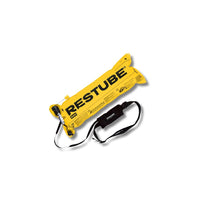
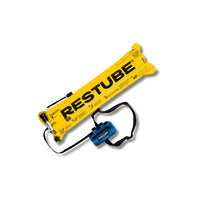
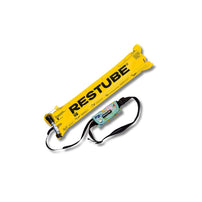
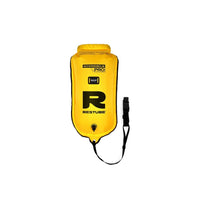
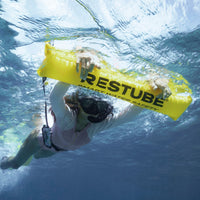
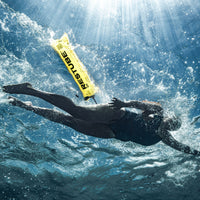
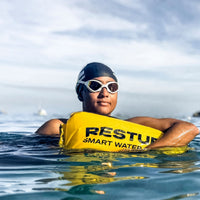
Inflatable Safety Buoy
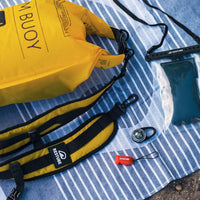
Our Recommendation Inflatable Safety Buoy -
Personal Flotation Device (PFD)
Our Recommendation Personal Flotation Device (PFD) -
Wetsuit
-
Safety Leash
Our Recommendation Safety Leash -
Dog Life Jacket
Our Recommendation Dog Life Jacket
Other Equipment & Add Ons for Paddle boarding
-
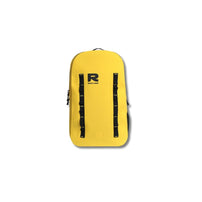
CUSTODIA IMPERMEABILE PER SMARTPHONE
Custodia protettiva per cellulari, impermeabile al 100%
-
SACCO IMPERMEABILE
Sacco impermeabile con tracolla
-
OCEAN 28 L
Il tuo zaino outdoor versatile 100% impermeabile
-
COAST 25 L
Il tuo zaino roll-top idrorepellente per il lavoro e l’avventura
-
LUCE LED IMPERMEABILE DI SICUREZZA
-
FISCHIETTO DI SEGNALAZIONE
FISCHIETTO DI SEGNALAZIONE robusto e potente
-
RIFLETTORE
Self-Check
Go or No-Go
Check yourself, check the water, then decide if you can paddle.
Suitable for
- Beginners on calm, wind-free water with brief instruction
- Experienced paddlers, even in moderate wind, waves or light current – in currents, use a quick-release waist leash instead of a standard ankle leash (entanglement risk!)
- Fitness and endurance athletes looking for a full-body workout
- Children from about age 6, once they can swim confidently, wearing their own certified flotation aid, staying close to shore and supervised
- Older adults without pre-existing conditions, accompanied, on calm water
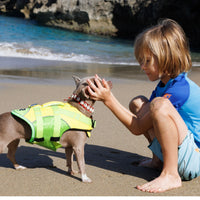
- Dogs used to water, wearing their own life vest, supervised
Better not, if
- Strong wind – especially offshore – or a storm warning is in effect
- Strong currents, flooding or whitewater occur without sufficient experience or the right leash
- Thunderstorms or a sudden change in weather are forecast
- You can't swim or feel unsafe in water – without an additional flotation aid
- Alcohol or medication that impairs reaction time has been consumed
- Known heart or circulatory conditions are present without medical clearance
- Water quality is unknown, questionable, or officially restricted
- Water temperature is below 18°C (64°F) and no suitable wetsuit is worn (below 10°C/50°F: at least 5/4mm)
Expert Voice
What Our Ambassadors Say
FAQ: Stand-Up Paddling
Still have questions about stand-up paddling? Here you'll find answers on safety, gear, and the most common uncertainties around SUP.
Is stand up paddling dangerous?
What's a PFD, and do I need one for SUP?
Can I bring my dog on the SUP?
What leash should I use for SUP?
What happens if I fall off my board?
Is there a weight limit for paddle boarding?
What should SUP beginners keep in mind?
What wind speed is safe for paddle boarding?
Can you SUP in winter?
Water Safety Guide
More articles about Paddle boarding
-
BASI & RISCHIRead Article →Correnti di risucchio a dighe e chiuse: i pericoli fluviali da cui è difficile sfuggire
Mentre fenomeni spettacolari come i grandi rulli idraulici o le rapide attirano spesso l'attenzione, il pericolo più frequente e realistico in molti fiumi dell'Europa centrale si trova nelle strutture fisse come chiuse, dighe e scarichi d'acqua. È qui che si sviluppano vortici e correnti di risucchio verticali, rendendo questi luoghi particolarmente ingannevoli per i nuotatori e gli appassionati di sport acquatici - difficili da vedere e spesso limitati ad aree molto piccole.
-
BASI & RISCHIRead Article →Comprendere l'idrodinamica: correnti, surf e movimento dell'acqua
L'acqua non è mai passiva - porta, spinge e trascina. Sotto ogni superficie calma, forze invisibili sono costantemente all'opera, modellando correnti, onde e movimenti dell'acqua in modi che la maggior parte delle persone non nota mai. Capire come si muove l'acqua, perché certi luoghi sono molto più pericolosi di quanto appaiano e come riconoscerli e rispondere ad essi può fare tutta la differenza quando conta di più.
-
BASI & RISCHIRead Article →Correnti pericolose nei fiumi: come individuare vortici, dighe e trappole nascoste
In Germania, 153 persone sono annegate in fiumi e torrenti nel 2025 (statistiche sugli annegamenti della DLRG) - rendendo le acque correnti l'ambiente più pericoloso per le morti per annegamento. Le correnti nei fiumi sono raramente uniformi. In particolare nelle zone dove la struttura naturale o artificiale del fiume cambia, si sviluppano schemi di corrente complessi e spesso caotici. Questo include le curve dei fiumi, i piloni dei ponti, le dighe, le chiuse e altre strutture. È precisamente in questi punti che si concentrano molti incidenti, poiché le forze che vi agiscono sono difficili da rilevare ed eccezionalmente forti.


