














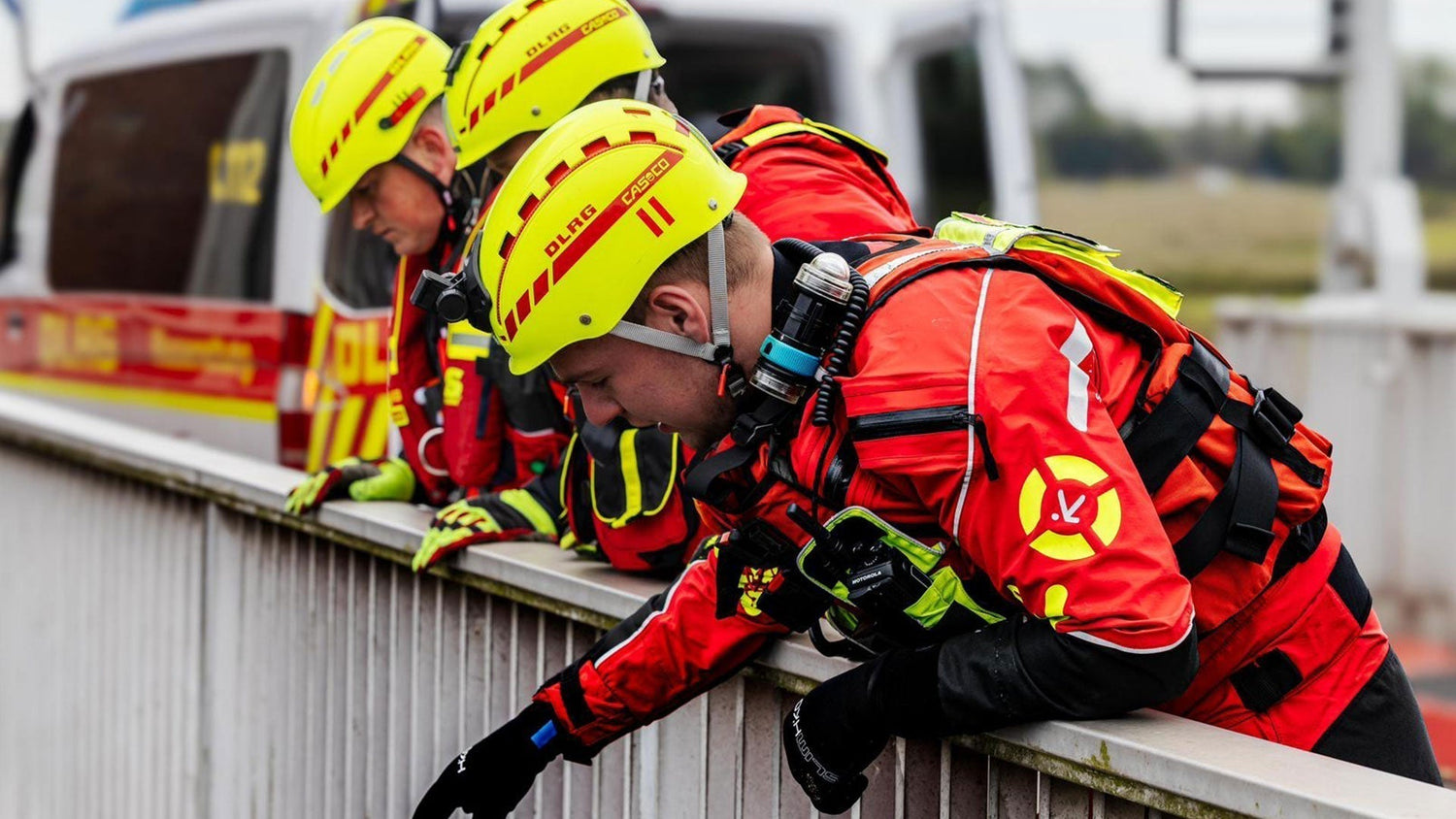
Between calm and danger, the North Sea often leaves only minutes. What feels like freedom, vastness, and relaxation to many is, for others, a demanding operational environment filled with responsibility and split-second decisions. This article takes you behind the scenes of water rescue operations in Cuxhaven - where experience, teamwork, and the right equipment can make the difference between life and death.
At the North Sea, everything often looks calm. Wide horizons, shallow waters, vacation vibes. But right here, at the mouth of the Elbe River and in the Wadden Sea around Cuxhaven, lie some of the most challenging water rescue areas in Germany. Strong tides, currents reaching up to 16 km/h, and rapidly changing conditions make this region a real challenge for beachgoers and rescuers alike.
We spoke with Kieran Lück, head of swift water rescue and deputy head of public relations at DLRG Cuxhaven, about missions, risks and the crucial role of buoyancy.
“WATER IS BEAUTIFUL – AND A FORCE OF NATURE”
Kieran is 24 years old and joined the DLRG almost by chance. A calendar reminder on his brother’s phone led him to a lifeguard training session. What started as curiosity became a calling - today, he holds a leadership role in swift water rescue.
What drives him?
“I'm fascinated by the dual nature of water. It can be calm and beautiful, but at the same time extremely dangerous.”
It is precisely this unpredictability that gives his work meaning: rescuing people from emergency situations in an environment that does not forgive mistakes.
WHY CUXHAVEN IS SO UNIQUE (AND DANGEROUS)
Many visitors underestimate the North Sea. Unlike lakes or swimming pools, water levels and currents here change constantly.
Typical hazards in the region:
- Rapid incoming tides during mudflat hiking
- Strong currents in tidal channels (Priels)
- Deep, fast-flowing shipping channels of the Elbe right next to seemingly safe areas
- Sudden weather changes, sea fog, and poor visibility
Particularly deceptive are areas that appear harmless. A groyne may suggest safety - but on the other side flows one of the busiest shipping routes in the world, with immense current.

SWIFT WATER RESCUE: WHEN BOATS REACH THEIR LIMITS
Whenever boats reach their limits, Kieran’s team steps in. Swift water rescuers are specially trained personnel who operate in fast-flowing or hard-to-access waters often in the Wadden Sea or the Elbe around Cuxhaven.
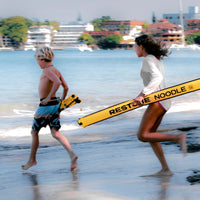
They provide first response and rescue operations, often supported by a rescue watercraft. Teamwork is essential.
The most common scenarios:
- People being cut off by the rising tide in the mudflats
- Individuals unable to return to shore due to currents or waves
A typical mistake:
Trying to swim against the current. This quickly leads to exhaustion, panic, and loss of orientation.
WHAT RECREATIONAL WATER USERS OFTEN GET WRONG
According to Kieran, the biggest safety gap is a lack of self-protection:
“Many people skip wearing impact or life jackets because they’re ‘just going out for a moment.’ But those are exactly the situations where things can quickly turn dangerous.”
His clear advice:
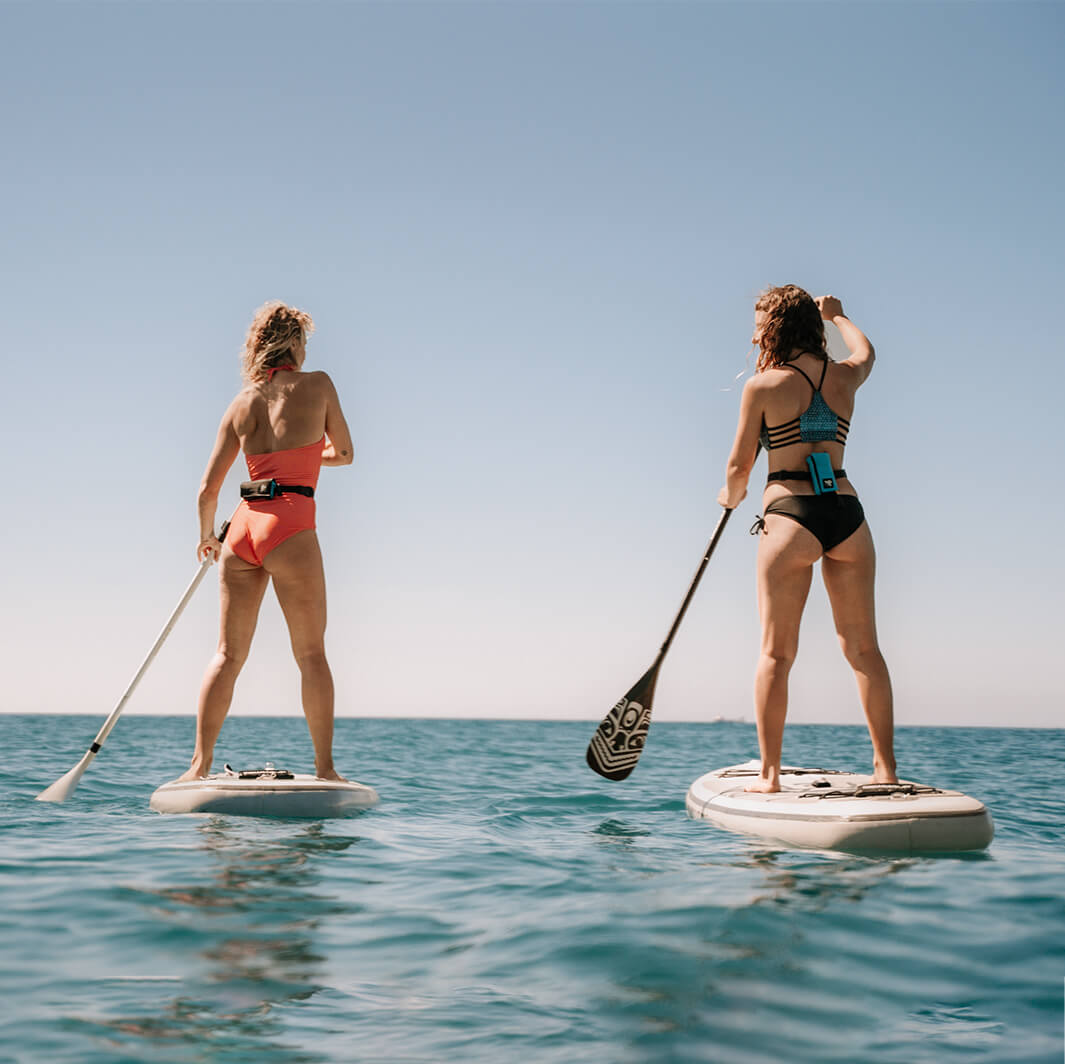
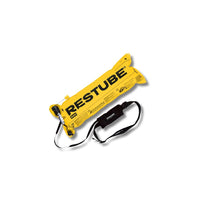
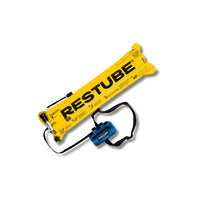
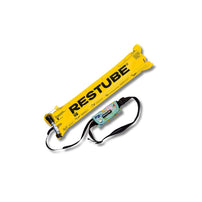
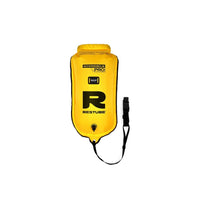
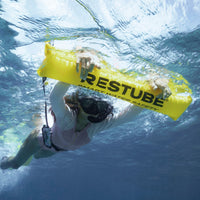
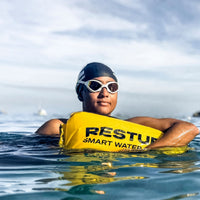
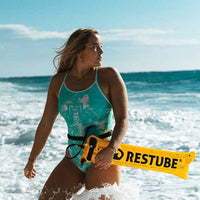
“I strongly recommend always carrying a compact emergency flotation device. Especially in cases of exhaustion, it allows you to hold on, calm down, and conserve energy. That can be life-saving. But you also have to consider temperature - especially cold water. In low temperatures, people can’t hold on to flotation aids for long. That’s why wearing a life jacket or impact vest is always the safest option.”
Buoyancy means time. Time means survival.
Clothing also plays a crucial role. At 5°C water temperature, offers only very limited protection and quickly loses its insulating effect even with the best flotation devices. That’s why our rescuers always wear dry suits, survival suits, or neoprene.
EDUCATION INSTEAD OF PROHIBITION
Swimming bans and warning signs are not always well received. But in Cuxhaven, they are almost always related to currents, tidal channels, or dangerous seabeds like mud.
That’s why DLRG focuses heavily on education especially via social media - explaining why certain areas are off-limits.
The goal is not to lecture people, but to raise awareness and understanding of risks.
ONE RULE THAT CAN SAVE LIVES
If Kieran could share just one message, it would be this:
“Inform yourself in advance about local hazards and never ignore warning signs.
And in an emergency: call 112. Better once too early than too late.”
CONCLUSION: RESPECT THE WATER – AND CHOOSE THE RIGHT EQUIPMENT
The work of DLRG Cuxhaven clearly shows how quickly a harmless outing can turn into a life-threatening situation. Currents are invisible, strength fades faster than expected and this is where buoyancy makes the difference.
Whether professional rescuer or recreational paddler:
Anyone on the water should always ensure additional buoyancy.
Not out of fear - but out of responsibility.
Because water does not forgive overconfidence. But there are tools that can give us time, strength, and safety when it matters most. And beyond additional buoyancy, life jackets and impact vests are always essential.


