

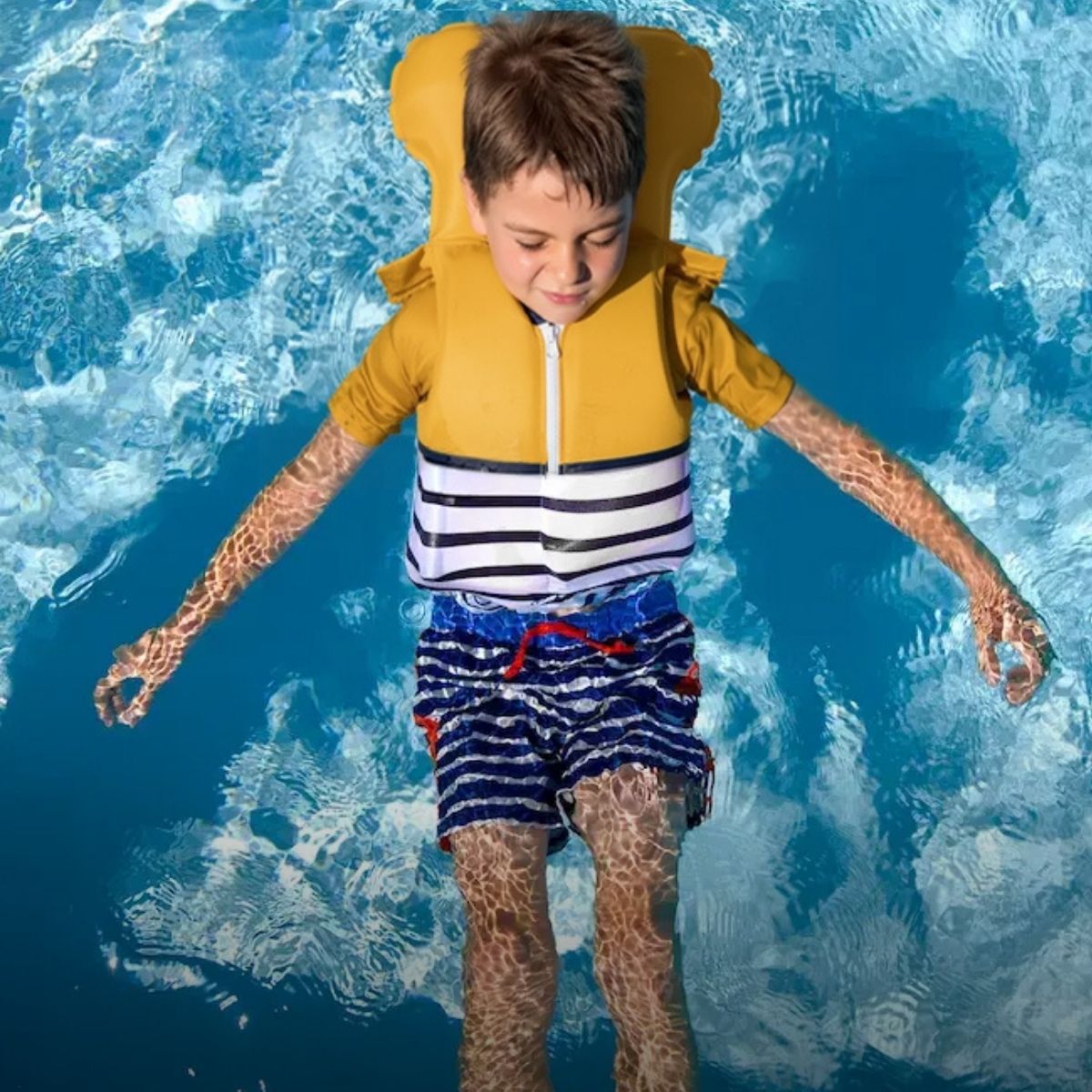

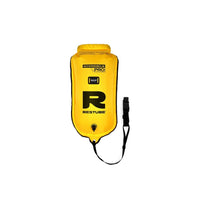

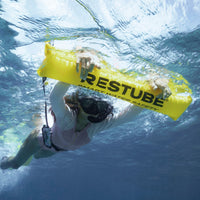
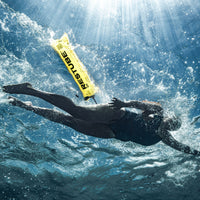
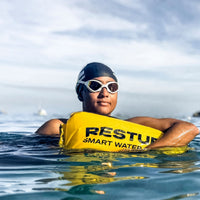
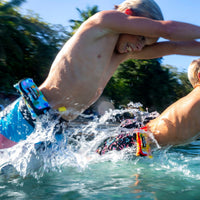
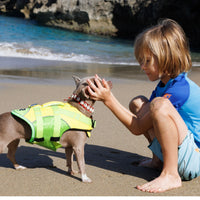
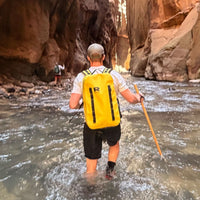

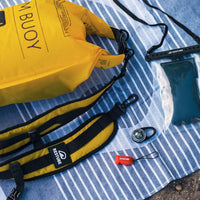

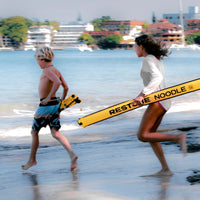





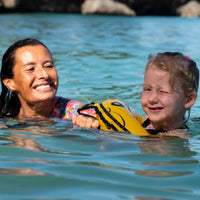
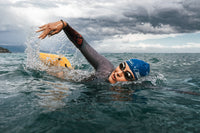

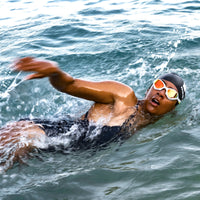


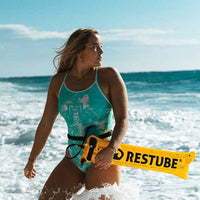
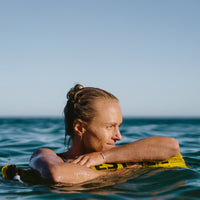
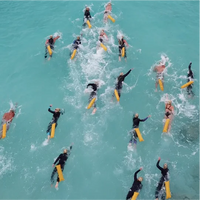


The RESTUBE Water Safety Guide is a free, chapter-based online resource on water safety – written by experts, built for everyone who spends time in, on or around the water. The knowledge that keeps you and others safe – for all water activities like for example SUP, swimming, fishing, sailing and more. Researched, verified, and explained clearly by experts. New chapters added regularly.
Topics & contents
-
 KNOWLEDGEExplore Chapter →
Water Safety Study
Survey of 1,834 water sports enthusiasts in Germany, Austria and Switzerland (2026) – and what the DLRG’s drowning statistics reveal.
-
 KNOWLEDGEExplore Chapter →
Basics & Risks
Over 300,000 people drown every year. Most of them didn't see it coming - and most of it was preventable. This chapter explains how drowning actually happens, what risk factors to know, and what you can do before you ever enter the water.
-
 KNOWLEDGEExplore Chapter →
Prevention
Prevention is the most powerful safety tool you have. In this chapter, you'll learn how to assess conditions before entering the water, spot the early signs of physical overexertion, fuel your body correctly for swimming, stay hydrated, and protect your skin from UV exposure. Everything you need to stay safe, feel strong, and keep control - every time you go in.
-
 KNOWLEDGEExplore Chapter →
Training & Education
Swimming lessons are the first step. But what really protects against drowning – a passed test or genuine knowledge? This chapter shows what modern swimming education actually means: from early water familiarization for children to swimming certificates and lifeguard training. You'll find out what Bronze, Silver and Gold really certify – and what they don't. Why even children who can swim should never be unsupervised near water. And which organisations are behind the international training standards. Safety in the water isn't created by a single measure. It grows through knowledge, training and the right decisions.
-
 KNOWLEDGEExplore Chapter →
Water Rescue & Emergency Care
Drowning is a process, not an instant – and at every stage, there's a way to stop it. This chapter walks through the full Drowning Chain of Survival: from prevention and recognizing distress, to providing flotation, self-rescue, safely helping others, and life-saving first aid. Everything you need to know to act when it matters most.


Every 2 min.
someone drowns somewhere in the world
Only 22%
of countries teach water safety in schools
393
people drowned in Germany in 2025
1 in 4
drowning victims is a child under 5

Why this safety guide
RESTUBE was born out of an accident. We hope this knowledge will save lives.
“The most beautiful moments on the water happen for me when people know what they're doing — for themselves and for others. Water safety therefore doesn't mean restriction, but responsibility, experience and trust in how we engage with our waterways.
The Water Safety Guide grew from this idea — as a living project that continues to evolve with experts, partners and the community. If you have ideas or thoughts to share, we'd love to hear from you.
Most Read
The most popular articles on water safety – swimming, SUP, drowning prevention and more.
-
 #1
WATER ACTIVITY GUIDERead Article →
#1
WATER ACTIVITY GUIDERead Article →Stand Up Paddling – Between Summer Vibes and Responsibility
SUP national team athlete and SUP instructor Kimo Kersting knows how quickly a relaxed session on the board can turn into a critical situation. In his experience report, he shares what really matters when it comes to wind, current and the right gear – and why respect for the water means just as much to him as competitive ambition.
-
 #2
PREVENTIONRead Article →
#2
PREVENTIONRead Article →Drink, Eat, Swim, Repeat: The Complete Hydration and Nutrition Guide for Swimmers
Swimming demands more from your body than most people realize. Whether you train seriously or simply enjoy a relaxed session at the pool, what you eat and drink has a direct impact on how you feel in the water and how quickly you recover afterwards. The right nutrition before training fuels your performance. The right nutrition after training rebuilds your muscles. And staying hydrated throughout makes the difference between sharp focus and early fatigue. This guide covers everything swimmers need to know: from calorie requirements and meal timing to the truth about the post-swim snack and why the old myth about swimming after eating is long overdue for a rethink.
-
 #3
TRAINING & EDUCATIONRead Article →
#3
TRAINING & EDUCATIONRead Article →Swimming Ability vs. Water Safety: Why Knowing How to Swim Is Not Enough
Many people who drown could swim. That's not a contradiction – it's one of the most important findings in modern water rescue. Because swimming ability and water safety are not the same thing. Cold water, exhaustion, currents and stress can push even experienced swimmers to their limits within seconds. This article breaks down which factors truly matter in an emergency – and what real water competency means beyond basic swimming technique.
-
 #4
BASICS & RISKSRead Article →
#4
BASICS & RISKSRead Article →Understanding Hydrodynamics: Currents, Surf And Water Movement
Water is never passive - it carries, pushes, and pulls. Beneath every calm surface, invisible forces are constantly at work, shaping currents, surf, and water movement in ways most people never notice. Understanding how water moves, why certain spots are far more dangerous than they appear, and how to recognise and respond to them can make all the difference when it matters most.
-
#5
WATER SAFETY STUDYRead Article →
Safety Guide Study Analysis
Six out of ten people who regularly spend time in, on or around water have already experienced a critical situation. More than a third go into the water without any flotation aid at all. And almost four out of five are convinced that schools and media address the topic of water safety far too little.


For your safety in & on water
Interactive Tools
-
 New
TOOLOpen Tool →
New
TOOLOpen Tool →SPF Calculator for Water Activties
Not all skin is the same — and neither is sun protection. Enter your skin type, UV index and time outdoors to get your personal SPF recommendation in seconds.
-
 New
GLOSSARYOpen Glossary →
New
GLOSSARYOpen Glossary →Glossary for Water Safety
The essential vocabulary of water sports and water safety – explained clearly, linked to the full Safety Guide.


Disclaimer
The content of the RESTUBE Water Safety Guide is provided for informational purposes only. While every article is researched and reviewed with care, we cannot guarantee that all information is complete, current, or free from error.
Nothing in this guide constitutes professional advice of any kind – including medical, legal, or safety instruction advice. It is not a substitute for qualified training, certified instruction, or official safety regulations. In a water emergency, always contact local emergency services immediately.
Experts are solely responsible for the opinions and recommendations they provide, and RESTUBE GmbH assumes no responsibility for the accuracy of this content.
Safety regulations and best practices vary by country and region. Always consult local authorities or qualified professionals for guidance specific to your situation and activity.
To the fullest extent permitted by applicable law, RESTUBE GmbH accepts no liability for any loss, injury, or damage arising directly or indirectly from the use of or reliance on information contained in this guide.
All rights reserved. RESTUBE GmbH holds the copyright to this guide. Any publication or reproduction – in part or in full – requires our explicit written consent.