Nutrition and Hydration for Swimmers
Whether you train seriously or simply enjoy a relaxed swim at the local pool: anyone who swims regularly places high demands on their body. Technique, endurance, and strength all matter, but without the right nutrition, much of your potential goes untapped. With smart food choices, good timing, and adequate hydration, you can noticeably improve your performance in the water. Even the best training programme delivers little if the body is not supplied with enough energy and nutrients. A balanced diet supports endurance, recovery, and concentration - and helps you feel light and powerful in the water.

![]()
How Many Calories Do Swimmers Need?
Calorie requirements depend heavily on training volume, height, weight, and muscle mass. As a rough guideline: a swimmer weighing around 60 kg burns approximately 800-1,000 calories during an intense one-hour session. These training calories are in addition to normal daily requirements (around 1,800 kcal for women, 2,000 kcal for men). What matters most, however, is your own perception:
- If you feel persistently tired or hungry, you are probably eating too little or the wrong things.
- If your energy levels remain stable, you are usually well fuelled.
The Basics of Nutrition for Swimming

-
Complex carbohydrates - these consist of long sugar chains and are broken down slowly, which keeps blood sugar levels stable (approx. 50% of your meal): wholegrain products, oats, beans, sweet potatoes, green vegetables.
-
Lean protein for muscle building and recovery: chicken, fish, eggs, legumes.
-
Healthy fats in moderate amounts: avocado, nuts, seeds, coconut products.
Avoid heavily processed, nutrient-poor foods as much as possible - they provide short-term energy but harm your performance in the long run. Swimming is generally an energy-intensive sport. Instead of a few large meals, it is worth eating more frequently in smaller portions. This keeps blood sugar levels stable, prevents performance dips, and helps you feel light and capable during training.
Nutrition Before Swimming
This is especially important: those who swim early in the morning should not enter the water on a completely empty stomach. A small snack before training can prevent you from feeling exhausted for hours afterwards. Depending on meal size, you should eat 30 to 90 minutes before swimming. Light, easily digestible foods work well, for example:
- Banana
- Yoghurt
- Fruit bar
- Toast
Heavy, fatty foods sit in the stomach for a long time and can be uncomfortable while swimming. Coffee immediately before training is also not ideal, as caffeine has a diuretic effect.

Nutrition After Swimming
After swimming, energy stores are depleted and muscles need building blocks. Ideally, eat a meal or snack within 20–30 minutes, consisting of:
- Carbohydrates to replenish glycogen stores
- Protein for muscle recovery
Good examples include:
- Smoothie with banana
- Sandwich with peanut butter
- Yoghurt with oats
- Protein shake with fruit
Hydration While Swimming
Even in the water, your body loses fluids. The difference: you often don't notice you're sweating. And even mild dehydration affects both performance and concentration.
Recommendations:
- Drink before swimming.
- Take small sips regularly during your session.
- After training, drink water or isotonic drinks.

The Myth: Swimming After Eating
The widespread myth that swimming after eating leads to cramps or danger is not scientifically proven. Healthy people can swim perfectly well after a light meal. What matters is how your body feels:
- If you feel full or sluggish: wait a little longer.
- If you feel good: relaxed swimming is no problem.
Recommendation: do not enter the water on an empty stomach, but not on a completely full one either.













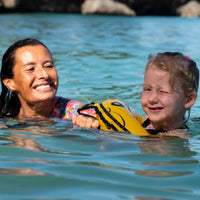
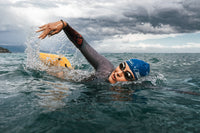

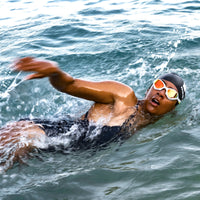





 Swimming
 Triathlon
 Ice swimming
 Casual beach days
 Swimming Pool
 Lake
Lake
 Sea
Sea
 River
River


