




~ 500
SUP accidents per year in Switzerland
Suva
+164%
increase in SUP fatalities in the US – from 11 to 29 deaths between 2023 and 2024
US Coast Guard, Recreational Boating Statistics 2024
413
paddleboarding incidents handled by RNLI lifeguards on beaches across the UK and Channel Islands in 2024
RNLI
87%
of drowning victims in US recreational boating accidents – including SUP, kayak and canoe – were not wearing a life jacket (2024)
US Coast Guard, Recreational Boating Statistics 2024
Hazards in Detail
What Can Happen on Your Board
On a SUP, wind, current, and balance all come into play at once. That's what makes it unpredictable. The better you know the hazards, the calmer you'll stay when it counts.
-
Plötzliche Strömung?
-
Zu weit weg vom Ufer?
-
Raue Wasserbedingungen?
-
Keine Kraft mehr?
-
Panik?
-
Kreislaufprobleme?
-
Equipment gebrochen oder verloren?
-
Fall into the water?
-
Plötzlicher Wetterumschwung?
-
Hund lernt schwimmen?
-
Älterer oder kranker Hund?
-
Alkohol oder Selbstüberschätzung?
Before You Step on Your Board
Safety Tips for SUP
These eight tips prepare you for any SUP session – from a calm lake to choppy waves. Knowing and following them significantly lowers your risk of ending up in a critical situation.
-
Assess your own skills realistically & train your techniqueSchwimmfähigkeit vs. Wassersicherheit: Warum Schwimmen können nicht reicht
-
Paddle AGAINST wind and current firstKenne deine Grenzen: Belastungssteuerung und körperliche Warnsignale beim Wassersport
-
Check conditions and area before you go inKaltes Wasser, Gewitter Und Sicht Im Wassersport: Gefahren Erkennen Und Verstehen
-
Share your route – never paddle unnoticed
-
Choose the right leash for the type of water
-
Wear an additional buoyancy aidWarum Auftrieb beim Ertrinken Leben rettet: Das dritte Glied der Rettungskette
-
Protect yourself from cold and sunSonnenschutz beim Wassersport: UV-Strahlung, Sonnencreme und UV-Schutzkleidung
-
Eat and drink enough for longer toursTrinken, Essen, Schwimmen, Wiederholen: Der komplette Hydrations- und Ernährungsleitfaden für Schwimmer
In An Emergency
The Chain of Survival: What To Do In An Emergency
Drowning happens in stages, not all at once – and at every stage, there's still a way to stop it. These are the five links of the Chain of Survival, condensed for this activity.
-
1. Prevent DrowningStep 1: Prävention gegen Ertrinken: Eines der wirksamsten Glieder der Rettungskette
Be safe in, on and around water. The most effective link in the chain is the one that stops an emergency from happening in the first place: know the conditions, know your limits, never go in alone.
-
2. Recognize DistressStep 2: Warum Ertrinken still passiert: Notlage erkennen und richtig alarmieren
A person in trouble rarely looks like it does in films: little shouting, little waving, often just a quiet struggle at the surface. Knowing the signs means reacting sooner and asking someone to call for help.
-
3. Provide FlotationStep 3: Warum Auftrieb beim Ertrinken Leben rettet: Das dritte Glied der Rettungskette
Before anything else, the person needs flotation, their own or from outside, to prevent submersion. Flotation costs no strength and buys time.
-
4. Remove From WaterStep 4: Fremdrettung: Sicher helfen ohne Eigengefährdung
Only if it's safe to do so. Getting the person out of the water matters, but not at the cost of a second person in danger.
-
5. Provide CareStep 5: Erste Hilfe bei Ertrinken: ABCDE-Schema, Beatmung und Reanimation richtig durchführen
As needed: call emergency services, check breathing, start CPR if necessary and don't stop until help arrives. What happens on land in the first minutes often decides the outcome.
What You Need on the Water
Safety Equipment for Stand-Up Paddling
Good gear won't replace experience or common sense, but it can give you the crucial seconds to react in an emergency.
-
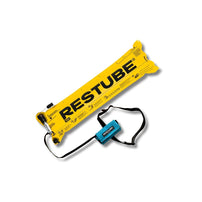
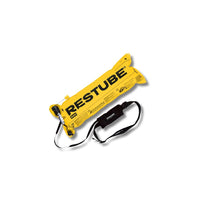
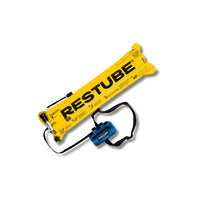
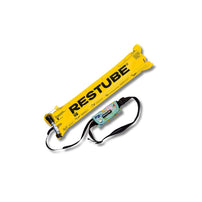
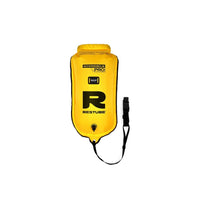
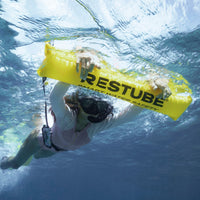
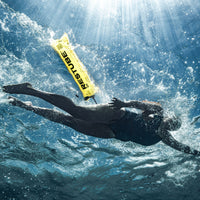
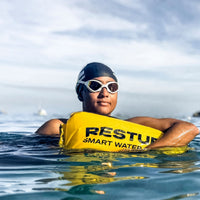
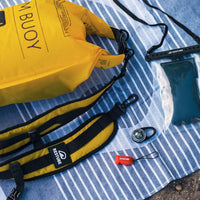
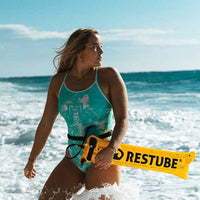
Inflatable Safety Buoy
Our Recommendation Inflatable Safety Buoy -
Personal Flotation Device (PFD)
Our Recommendation Personal Flotation Device (PFD) -
Wetsuit
-
Safety Leash
Our Recommendation Safety Leash -
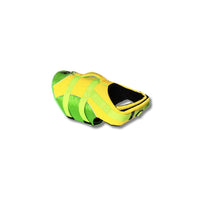
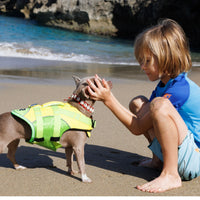
Dog Life Jacket
Our Recommendation Dog Life Jacket
Other Equipment & Add Ons for Stand-up Paddling
-
WASSERDICHTE HANDYHÜLLE
Wasserdichte Handyhülle für alle Smartphones
-
DRYBAG
Wasserdichter Trockensack mit Schultergurt
-
OCEAN 28 L
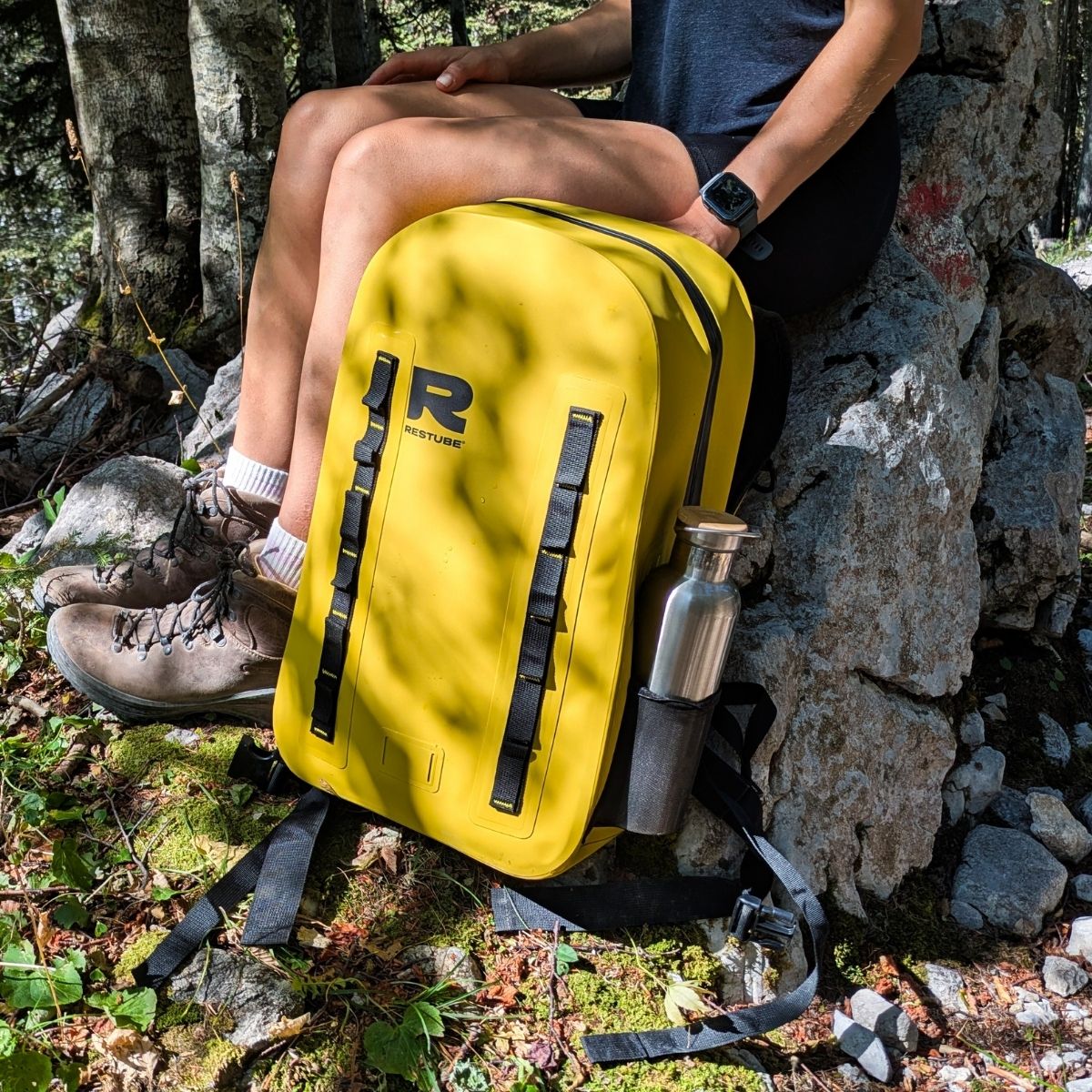
Dein 100% wasserdichter Allround-Outdoor-Rucksack
-
COAST 25 L
Dein wasserfester Rolltop-Rucksack für Arbeit und Abenteuer
-
WASSERDICHTES LED-SICHERHEITSLICHT
-
SIGNALPFEIFE
Robuste und laute Notrufpfeife
-
REFLEKTOR
Self-Check
Go or No-Go
Check yourself, check the water, then decide if you can paddle.
Suitable for
- Beginners on calm, wind-free water with brief instruction
- Experienced paddlers, even in moderate wind, waves or light current – in currents, use a quick-release waist leash instead of a standard ankle leash (entanglement risk!)
- Fitness and endurance athletes looking for a full-body workout
- Children from about age 6, once they can swim confidently, wearing their own certified flotation aid, staying close to shore and supervised
- Older adults without pre-existing conditions, accompanied, on calm water
- Dogs used to water, wearing their own life vest, supervised
Better not, if
- Strong wind – especially offshore – or a storm warning is in effect
- Strong currents, flooding or whitewater occur without sufficient experience or the right leash
- Thunderstorms or a sudden change in weather are forecast
- You can't swim or feel unsafe in water – without an additional flotation aid
- Alcohol or medication that impairs reaction time has been consumed
- Known heart or circulatory conditions are present without medical clearance
- Water quality is unknown, questionable, or officially restricted
- Water temperature is below 18°C (64°F) and no suitable wetsuit is worn (below 10°C/50°F: at least 5/4mm)
Expert Voice
What Our Ambassadors Say
FAQ: Stand-Up Paddling
Still have questions about stand-up paddling? Here you'll find answers on safety, gear, and the most common uncertainties around SUP.
Is stand up paddling dangerous?
What's a PFD, and do I need one for SUP?
Can I bring my dog on the SUP?
What leash should I use for SUP?
What happens if I fall off my board?
Is there a weight limit for paddle boarding?
What should SUP beginners keep in mind?
What wind speed is safe for paddle boarding?
Can you SUP in winter?
Water Safety Guide
More articles about Stand-up Paddling
-
GRUNDLAGEN & GEFAHRENRead Article →Sogströmungen An Wehren Und Schleusen: Die Unterschätzten Gefahren Im Fluss
Während spektakuläre Strömungsphänomene wie große Walzen oder Stromschnellen oft im Fokus stehen, liegt die tatsächlich häufigere und realistische Gefahr in vielen mitteleuropäischen Flüssen an festen Bauwerken wie Schleusen, Wehren und Wasserabläufen. Hier entstehen Strudel und vertikale Sogströmungen, die für Schwimmer:innen und Wassersportler:innen besonders tückisch sind, weil sie schwer erkennbar und oft lokal begrenzt auftreten.
-
GRUNDLAGEN & GEFAHRENRead Article →Hydrodynamik Verstehen: Strömungen, Brandung Und Wasserbewegung
Wasser ist niemals passiv - es trägt, drückt und zieht. Unter jeder ruhigen Oberfläche wirken unsichtbare Kräfte, die Strömungen, Brandung und Wasserbewegungen auf eine Weise formen, die die meisten Menschen nie wahrnehmen. Zu verstehen, wie Wasser sich bewegt, warum bestimmte Stellen weit gefährlicher sind als sie erscheinen und wie man sie erkennt und richtig reagiert - das kann den entscheidenden Unterschied machen, wenn es darauf ankommt.
-
GRUNDLAGEN & GEFAHRENRead Article →Gefährliche Flussströmungen: Wie Man Wirbel, Wehre & Strömungsfallen Erkennt
Im Jahr 2025 sind in Deutschland 153 Menschen in Fließgewässern ertrunken (DLRG Ertrinkungsstatistiken 2025). Damit sind Flüsse und Bäche die gefährlichste Umgebung für Ertrinkungsunfälle. Strömungen in Flüssen sind selten gleichmäßig. Besonders in Bereichen, in denen sich die natürliche oder künstliche Struktur des Flusses verändert, entstehen komplexe und oft chaotische Strömungsmuster. Dazu gehören Flussbiegungen, Brückenpfeiler, Wehre, Schleusen und andere Bauwerke. Genau an diesen Stellen konzentrieren sich viele Unfälle, weil die dort wirkenden Kräfte schwer erkennbar und gleichzeitig besonders stark sind.


