
















What Does "Newton" Mean in Water Safety?
When it comes to water safety, sooner or later you will encounter a number followed by an “N”: 50 N. 75 N. 125 N. Or 180 N. But what does that actually mean? And why is it relevant for you — whether you surf, swim, kayak, or simply spend time around water? Let’s explain it without a physics lecture.
The Simple Rule of Thumb: 10 Newton = 1 kg of Buoyancy
Newton (N) is the unit of force – and in terms of buoyancy, it describes how strongly a buoy pushes you upward in the water. The easiest way to think about it: 10 Newton ≈ 1 kg of additional buoyancy.
That means: A buoy with 75 N provides about 7.5 kg of additional lift.
Important: It doesn’t need to support your full body weight.
Your body already has natural buoyancy. What really matters is keeping your airways above water. The head and shoulders (the part above water) weigh around 4 kg, regardless of body size. So 40 N is roughly the minimum needed to keep a person afloat.
When Is More Buoyancy Useful?
Under ideal conditions, a buoyancy of 40 newtons is sufficient to keep a person afloat. In practice, things are different:
- Clothing restricts movement and makes you less stable
- Waves constantly push you underwater
- Wind and currents destabilize you
That’s why the right Newton value depends not just on your body weight, but also on your activity and the conditions.
Classification: Buoyancy Classes in Newton
To better understand the numbers, here’s a general classification: Life jackets and buoyancy aids are categorized according to DIN EN ISO 12402 into four main classes (50N, 100N, 150N, 275N), based on their buoyancy. They range from lightweight aids for athletes to fully life-saving jackets for offshore use.
The four buoyancy classes in Newton
-
50 Newton (50N) – Buoyancy aids:
Use: Watersports (dinghy sailing, surfing, kayaking, SUP) in sheltered waters, for good swimmers
Function: Provides buoyancy, but not unconscious-safe
-
100 Newton (100N) – Life jackets
Use: Inland waters and sheltered coastal areas, suitable for non-swimmers
Function: Includes a collar to keep the head above water, usually foam-based
-
150 Newton (150N) – Life Jackets:
Use: Coastal and offshore navigation
Function: Turns an unconscious person onto their back, even with heavy clothing
-
275 Newton (275N) – Life jackets
Use: Offshore, extreme conditions, professional use
Function: Maximum safety, even with heady protective gear
How Newton ratings Differ for RESTUBE Safety Buoys
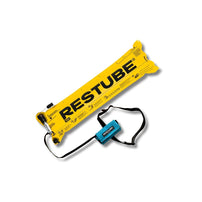
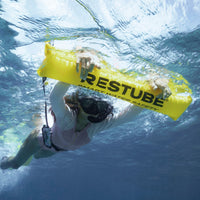
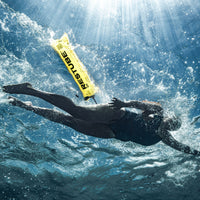
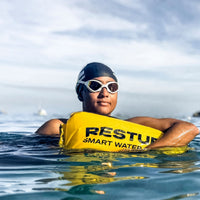
While traditional life jackets are designed to keep unconscious users afloat, RESTUBE Safety Buoys follow a different concept: Maximum freedom of movement + instant buoyancy when needed.
50 Newton
50 N equals about 5 kg of buoyancy. That’s enough to keep your head above water and maintain a safe breathing position – provided you are awake, conscious and can deploy the buoy yourself.
Ideal for:
- Activities in swimwear
- Activities on the beach & near the shore
- Activities in calmer waters
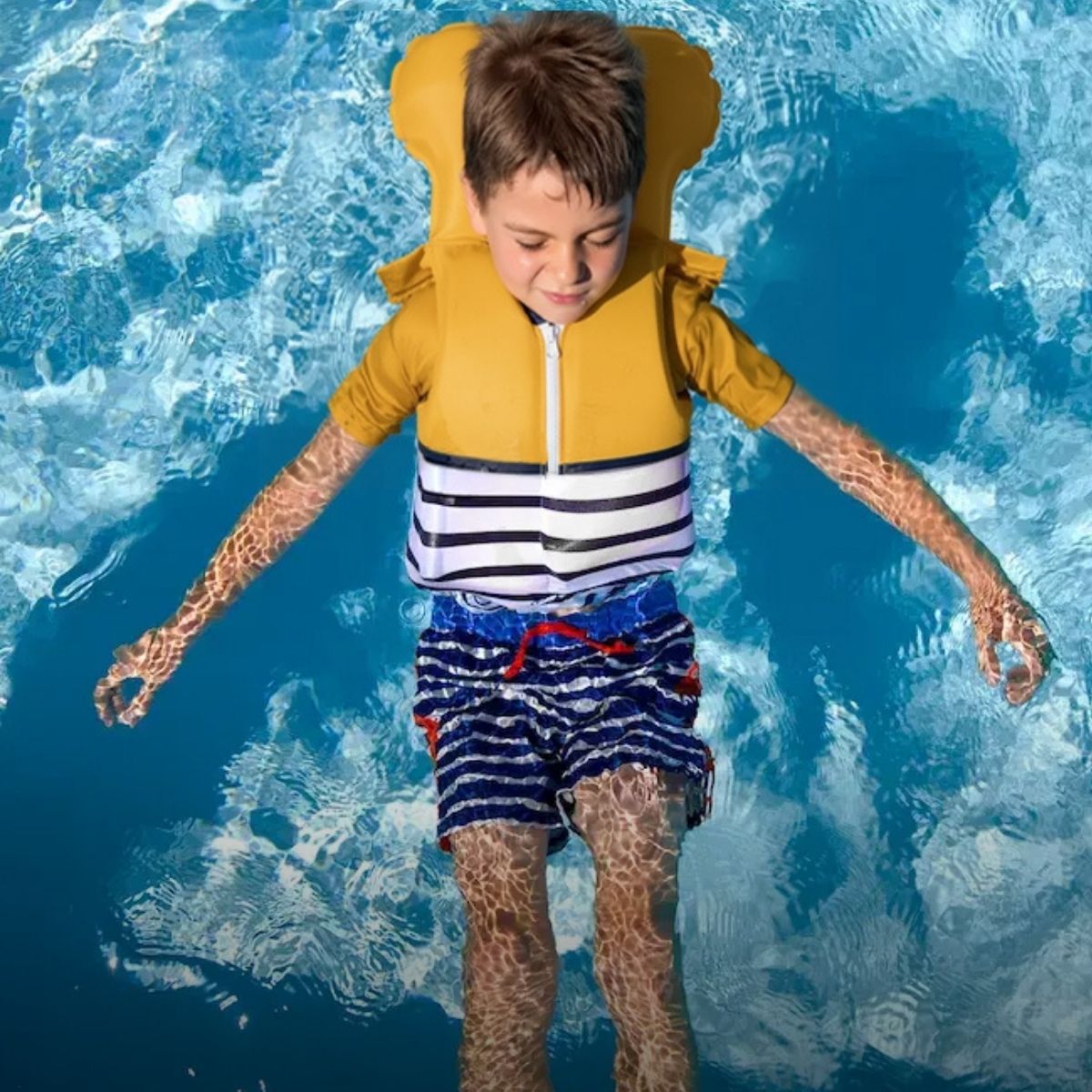
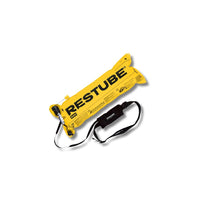
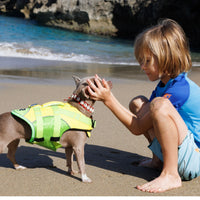
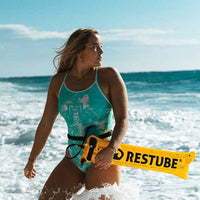
RESTUBE BEACH and RESTUBE KIDS provide exactly this level of buoyancy. Small enough to forget – strong enough to help.
Same buoyancy, different use:
- RESTUBE BEACH: Designed for relaxed beach days and snorkeling.
- RESTUBE KIDS: Designed for kids, for swimming in summer and light water activities near the shore.

75 Newton
75 N equals about 7.5 kg of buoyancy. That makes all the difference if you´re not just paddling in calm waters and are looking for more active experience:
- In rough seas
- In strong currents
- Wearing clothes
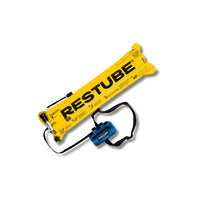
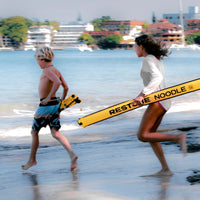
It also allows you to support another person while maintaining your own buoyancy. The RESTUBE ACTIVE, EXTREME, and PFD are designed for these situations – for people who actively experience water.
Same buoyancy, different use cases:
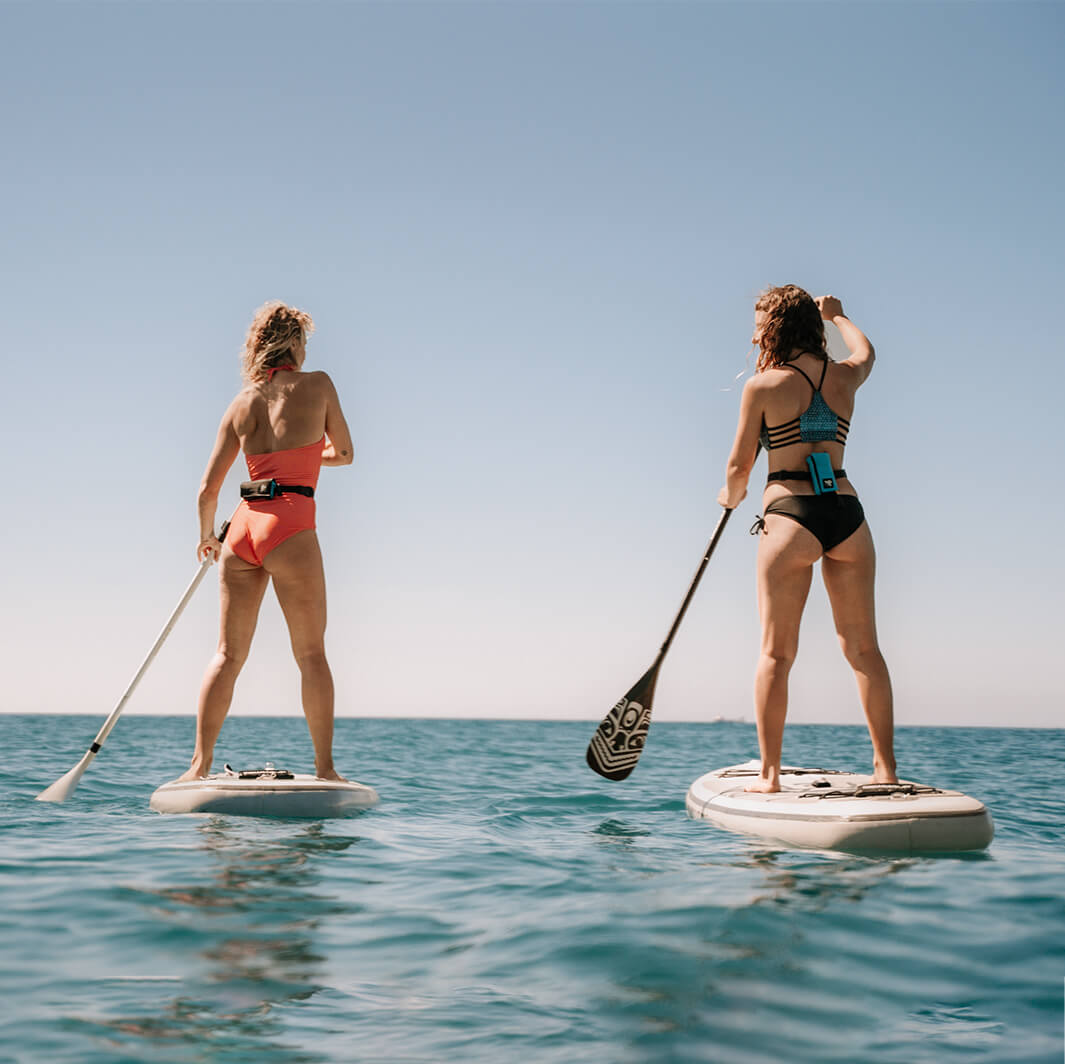
- ACTIVE: Swimming, SUP, triathlon, ice swimming, rowing and kayaking
- EXTREME: Surfing, windsurfing, kitesurfing, fishing—rough conditions
- PFD: For activities requiring a CE-certified buoyancy aid. In Switzerland and on Lake Constance, for example, it is compulsory to carry one from distance of 300 metres from the shore.
👉 Find the right RESTUBE buoy for your activity with our product comparison.

125 Newton
125 N equals about 12.5 kg of buoyancy. This goes far beyond just keeping your head above water:
- You can lean on it
- Take a break and recover
- Support a second person in an emergency
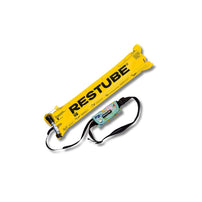
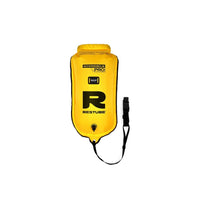
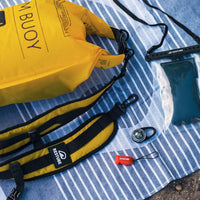
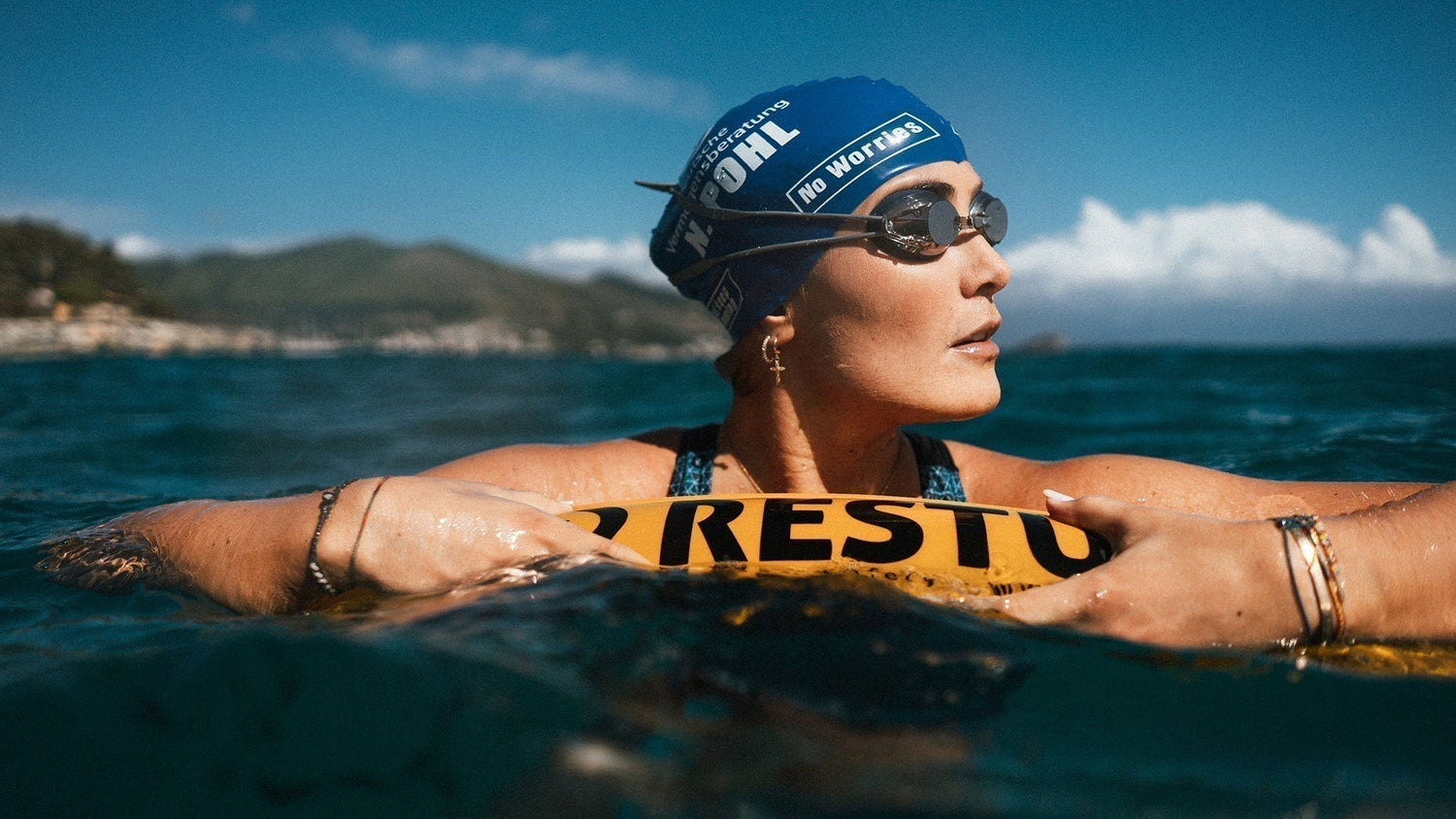
The RESTUBE SWIM BUOY CLASSIC and PRO are designed for this:
- Open water swimming
- Triathlon
- Ice swimming
Highly visible and inflated manually before entering the water.

Conclusion: The Right Newton Level Depends on Your Activity
It’s not just your body weight that matters – but your situation in the water.
- Calm conditions + swimwear → 50N
- Active use + changing conditions + clothing → 75N
- Long distances + additional support → 125N
More Newton means more stability, more control, and more safety when it matters most.