
Water Safety Guide
Swimming

Schwimmen im Freiwasser – Dein Sicherheitsguide

See, Fluss, Meer: Freiwasserschwimmen bedeutet Freiheit – aber auch andere Risiken als im Schwimmbad. Erfahre, wie du dich und andere wirkungsvoll schützt.
Johanna Schappert It's On Zink RESTUBE
Experten · Swimming
Johanna Schappert, It's On Zink & RESTUBE
Digital Business Development · Partner · Water Safety Company

„[Kernaussage des Experten zum Freiwasserschwimmen]"

100%

Showcase a benefit of your product

Test

100%

Showcase a benefit of your product

Test

100%

Showcase a benefit of your product

Test

03 · Gefahren im Detail

Was im Wasser passieren kann

Jede dieser Situationen kann eine entspannte Session schnell zur ernsten Lage machen. Kennt man sie, kann man handeln.

  • Others in need?

    Others in need?

    Pass on the buoy!

  • Lost or broke your equipment?

    Lost or broke your equipment?

    Lean over the buoy or use it to draw attention to yourself!

  • Rough water conditions?

    Rough water conditions?

    Draw attention with the buoy, leave the water.

  • Injured on rocks or reef?

    Injured on rocks or reef?

    Pull the trigger for buoyancy, draw attention!

  • Unexpected current?

    Unexpected current?

    Lean over the buoy!

  • Sudden weather changes?

    Sudden weather changes?

    Stay visible through the buoy, get out of the water quickly!

Vor dem Einstieg

Sicherheitstipps für das Freiwasser

  1. Langsam einsteigen – akklimatisieren

    Besonders bei kaltem Wasser: geh schrittweise hinein statt zu springen. So bleibt der Kälteschock beherrschbar.

    Mehr dazu in diesem Artikel
  2. Niemals allein ins Wasser

    Mit Begleitung gehen oder zumindest jemanden über Ort und Rückkehrzeit informieren.

  3. Sichtbarkeit sicherstellen

    Eine Schwimm- oder Sicherheitsboje macht dich für Boote und Rettungskräfte erkennbar.

  4. Tipp-Titel

    Kurze, konkrete Erklärung des Sicherheitstipps.

    Mehr im Water Safety Guide

05 · Ausrüstung

Sicherheitsausrüstung für das Freiwasser

Gute Ausrüstung ersetzt keine Erfahrung und keinen gesunden Menschenverstand – aber sie gibt dir den entscheidenden Moment, um in einer Notsituation zu reagieren.

  • Schwimmboje

    Schwimmboje

    Eine aufgeblasene Boje, die beim Schwimmen hinter dir hergezogen wird. Erfüllt zwei Funktionen: permanente Sichtbarkeit für Boote und Retter, und Stützauftrieb, wenn du eine Pause brauchst. Unverzichtbar für Freiwasser-Training.

  • Aufblasbare Sicherheitsboje

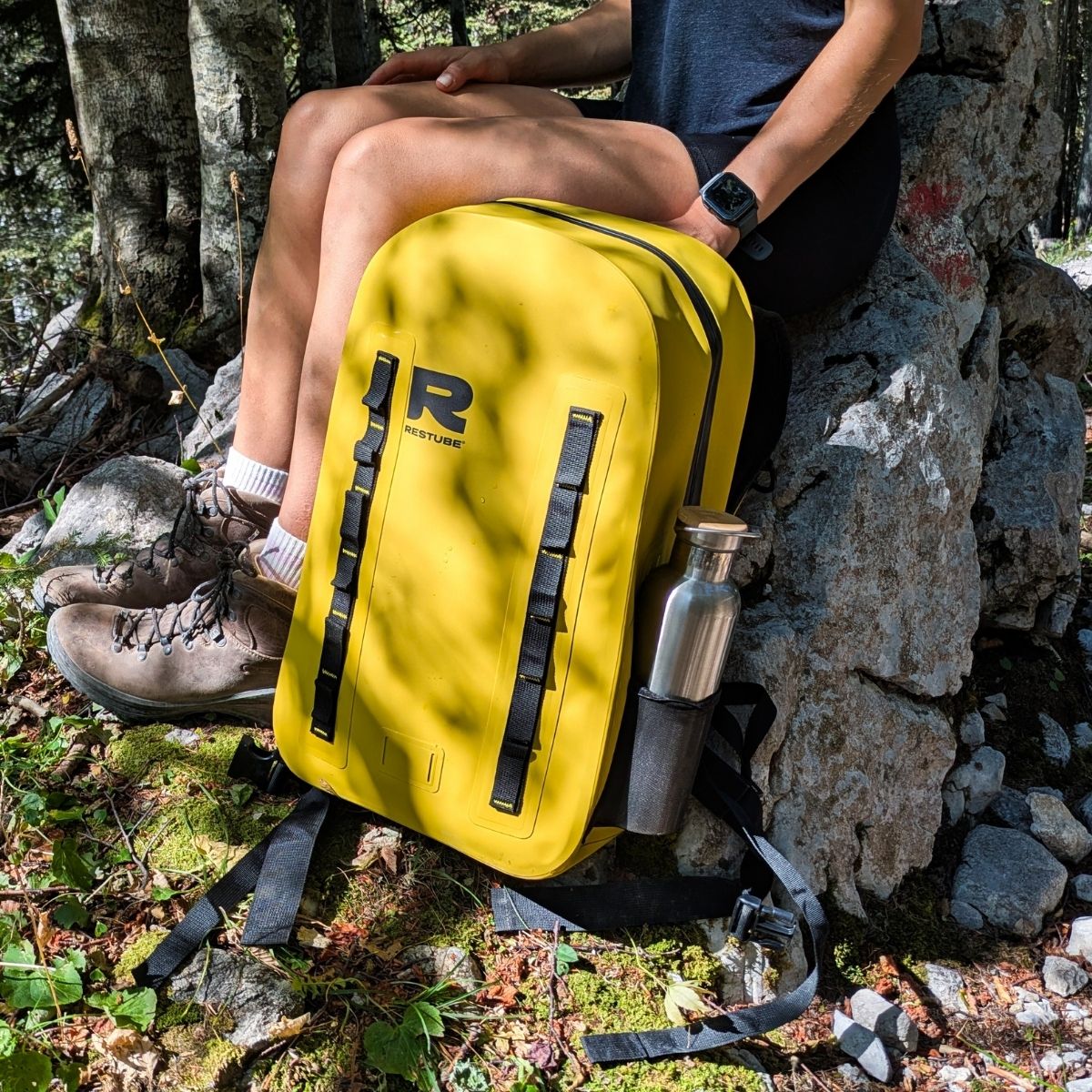
    Kompakt im Gürtelbeutel verstaut, im Notfall per CO2 in Sekunden aufgeblasen. Bietet sofortigen Auftrieb ohne Kraftaufwand – auch wenn die Arme nicht mehr funktionieren. Ideal für sportliches Schwimmen und Wettkampf.

  • Neoprenanzug

    Bei Wassertemperaturen unter 18°C empfohlen. Schützt vor Kälteschock, verlangsamt Unterkühlung und verbessert den natürlichen Auftrieb. Die richtige Dicke hängt von der Wassertemperatur ab: 2–3 mm bis 15°C, 5 mm unter 10°C.

  • Neoprenhaube & -handschuhe

    Wärme geht primär über Kopf und Extremitäten verloren. Bei Wassertemperaturen unter 14°C sinnvoll – beim Eisschwimmen unverzichtbar.

  • LED-Sicherheitslicht

    Bei Dämmerung oder schlechter Sicht unverzichtbar. Befestigung an Boje oder Badekappe – macht dich für Boote aus großer Entfernung sichtbar.

  • Signalpfeife

    Akustisches Notfallsignal – einfach, verlässlich, laut. Standard-Ausrüstung bei Wasserrettungsorganisationen weltweit.

  • Wasserdichtes Handy oder Notfallgerät

    Notruf jederzeit möglich. Handy in wasserdichter Hülle oder im Drybag der Schwimmboje. Wasserrettung als Kontakt gespeichert haben – im Notfall ist keine Zeit zum Suchen.

  • Begleitperson oder -boot

    Die wirkungsvollste Absicherung bei längeren Strecken. Kein technisches Produkt ersetzt eine Person mit Sichtkontakt, die weiß, was zu tun ist.

Test

Für wen geeignet – wann besser nicht

dfgbdfgbdfgb

Geeignet für

  • Kompakt und leicht, passt an jeden Gurt oder ins Gepäck
  • In Sekunden einsatzbereit
  • Für mehrere Wassersportarten geeignet

Nicht geeignet bei

  • Muss aktiv ausgelöst werden, kein permanenter Auftrieb
  • Ersetzt keine Rettungsweste bei Pflicht-Anwendungen

Ambassador Stimme

Was unsere Ambassadors sagen

Kimo Kersting – Stand Up Paddling

Ambassador

Kimo Kersting – Stand Up Paddling

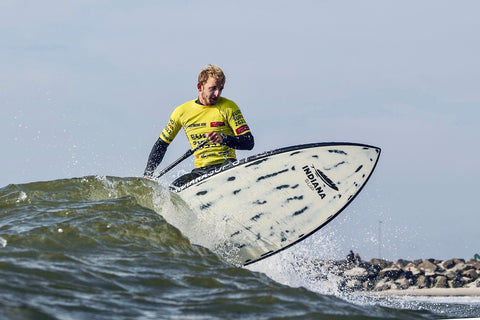
Kimo Kersting has been practicing stand-up paddling since he was 14 years old and has been competing professionally for the German national team since the age of 18. Whether in whitewater, on flatwater, or in ocean waves, this versatility is exactly what fascinates him about the sport. Participating in European and World Championships, as well as winning numerous national titles, has shaped his athletic journey. Despite all his sporting ambition, one thing has always come first for him: the balance between maximum enjoyment and uncompromising safety. Since conditions on the water can change at any moment, respect for nature is the foundation of every session. Kimo's goal is to share this passion in a way that combines the joy of the sport with a strong sense of responsibility and awareness.

Read the full article from Kimo Kersting – Stand Up Paddling

Zum Thema

„Test“

— Kimo Kersting – Stand Up Paddling , Ambassador

Zum Thema

„Test“

— Kimo Kersting – Stand Up Paddling , Ambassador

FAQ

Use this text to share information about your product or shipping policies.

Water Safety Guide

More articles about Swimming

Alles zum Thema Wassersicherheit – kompakt, fundiert, lebensrettend.

  • Suction Currents At Weirs And Locks: The River Hazards That Are Hard to Escape #1
    BASICS & RISKS

    Suction Currents At Weirs And Locks: The River Hazards That Are Hard to Escape

    While dramatic phenomena like large hydraulic rollers or rapids often attract attention, the more common and realistic danger in many central European rivers lies at fixed structures such as locks, weirs, and water outlets. Here, eddies and vertical suction currents develop, making these spots particularly misleading for swimmers and water sports enthusiasts - hard to see and often limited to very small areas.

    2 min

    432

    Read Article →
  • Drink, Eat, Swim, Repeat: The Complete Hydration and Nutrition Guide for Swimmers #2
    PREVENTION

    Drink, Eat, Swim, Repeat: The Complete Hydration and Nutrition Guide for Swimmers

    Swimming demands more from your body than most people realize. Whether you train seriously or simply enjoy a relaxed session at the pool, what you eat and drink has a direct impact on how you feel in the water and how quickly you recover afterwards. The right nutrition before training fuels your performance. The right nutrition after training rebuilds your muscles. And staying hydrated throughout makes the difference between sharp focus and early fatigue. This guide covers everything swimmers need to know: from calorie requirements and meal timing to the truth about the post-swim snack and why the old myth about swimming after eating is long overdue for a rethink.

    2 min

    297

    Read Article →
  • Safety Guide Study Analysis #3
    WATER SAFETY STUDY

    Safety Guide Study Analysis

    Six out of ten people who regularly spend time in, on or around water have already experienced a critical situation. More than a third go into the water without any flotation aid at all. And almost four out of five are convinced that schools and media address the topic of water safety far too little.

    12 min

    209

    Read Article →