





~ 500
SUP accidents per year in Switzerland
Suva
+164%
increase in SUP fatalities in the US – from 11 to 29 deaths between 2023 and 2024
US Coast Guard, Recreational Boating Statistics 2024
413
paddleboarding incidents handled by RNLI lifeguards on beaches across the UK and Channel Islands in 2024
RNLI
87%
of drowning victims in US recreational boating accidents – including SUP, kayak and canoe – were not wearing a life jacket (2024)
US Coast Guard, Recreational Boating Statistics 2024
Hazards in Detail
What Can Happen on Your Board
On a SUP, wind, current, and balance all come into play at once. That's what makes it unpredictable. The better you know the hazards, the calmer you'll stay when it counts.
-
Unexpected current?
-
Far from shore?
-
Rough water conditions?
-
Fading power?
-
Panic?
-
Circulatory problems?
-
Lost or broke your equipment?
-
Fall into the water?
-
Sudden weather changes?
-
Dog Learning to Swim?
-
Older or Sick dog?
-
Had a drink?
Before You Step on Your Board
Safety Tips for SUP
These eight tips prepare you for any SUP session – from a calm lake to choppy waves. Knowing and following them significantly lowers your risk of ending up in a critical situation.
-
Assess your own skills realistically & train your techniqueSwimming Ability vs. Water Safety: Why Knowing How to Swim Is Not Enough
-
Paddle AGAINST wind and current firstKnow Your Limits: Load Management and Physical Warning Signs in Water Sports
-
Check conditions and area before you go inCold Water, Storms And Visibility: What Every Water Sports Enthusiast Needs To Know
-
Share your route – never paddle unnoticed
-
Choose the right leash for the type of water
-
Wear an additional buoyancy aidProvide Flotation: Why Buoyancy Saves Lives When Drowning
-
Protect yourself from cold and sunSun Protection for Water Sports: UV Radiation, Sunscreen & UV Clothing
-
Eat and drink enough for longer toursDrink, Eat, Swim, Repeat: The Complete Hydration and Nutrition Guide for Swimmers
In An Emergency
The Chain of Survival: What To Do In An Emergency
Drowning happens in stages, not all at once – and at every stage, there's still a way to stop it. These are the five links of the Chain of Survival, condensed for this activity.
-
1. Prevent DrowningStep 1: Prevention Against Drowning: One of the Most Effective Links in the Rescue Chain
Be safe in, on and around water. The most effective link in the chain is the one that stops an emergency from happening in the first place: know the conditions, know your limits, never go in alone.
-
2. Recognize DistressStep 2: Why Drowning Happens in Silence: Recognizing Distress and Raising the Alarm
A person in trouble rarely looks like it does in films: little shouting, little waving, often just a quiet struggle at the surface. Knowing the signs means reacting sooner and asking someone to call for help.
-
3. Provide FlotationStep 3: Provide Flotation: Why Buoyancy Saves Lives When Drowning
Before anything else, the person needs flotation, their own or from outside, to prevent submersion. Flotation costs no strength and buys time.
-
4. Remove From WaterStep 4: Assisted Rescue: How to Help Safely Without Putting Yourself at Risk
Only if it's safe to do so. Getting the person out of the water matters, but not at the cost of a second person in danger.
-
5. Provide CareStep 5: Drowning First Aid: ABCDE Assessment, Rescue Breathing, and CPR Done Right
As needed: call emergency services, check breathing, start CPR if necessary and don't stop until help arrives. What happens on land in the first minutes often decides the outcome.
What You Need on the Water
Safety Equipment for Stand-Up Paddling
Good gear won't replace experience or common sense, but it can give you the crucial seconds to react in an emergency.
-
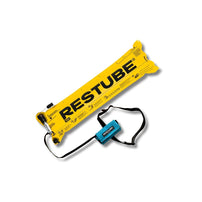
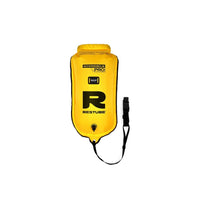
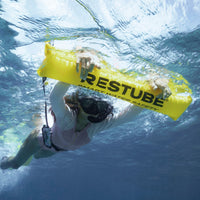
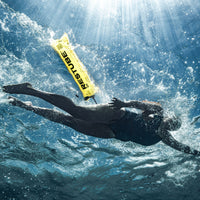
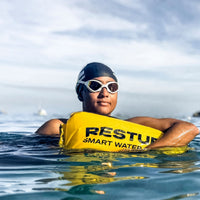
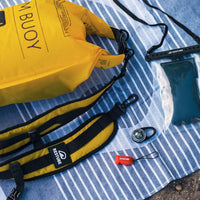
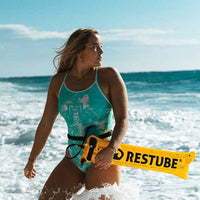
Inflatable Safety Buoy
Our Recommendation Inflatable Safety Buoy -
Personal Flotation Device (PFD)
Our Recommendation Personal Flotation Device (PFD) -
Wetsuit
-
Safety Leash
Our Recommendation Safety Leash -
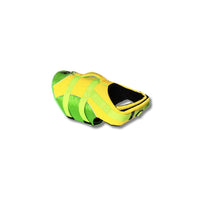
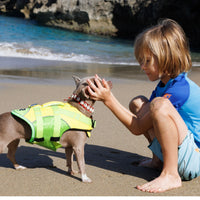
Dog Life Jacket
Our Recommendation Dog Life Jacket
Other Equipment & Add Ons for Stand Up Paddling
-
WATERPROOF SMARTPHONE CASE
Protective case for cell phones, 100% waterproof
-
DRYBAG
Waterproof drybag with shoulder strap
-
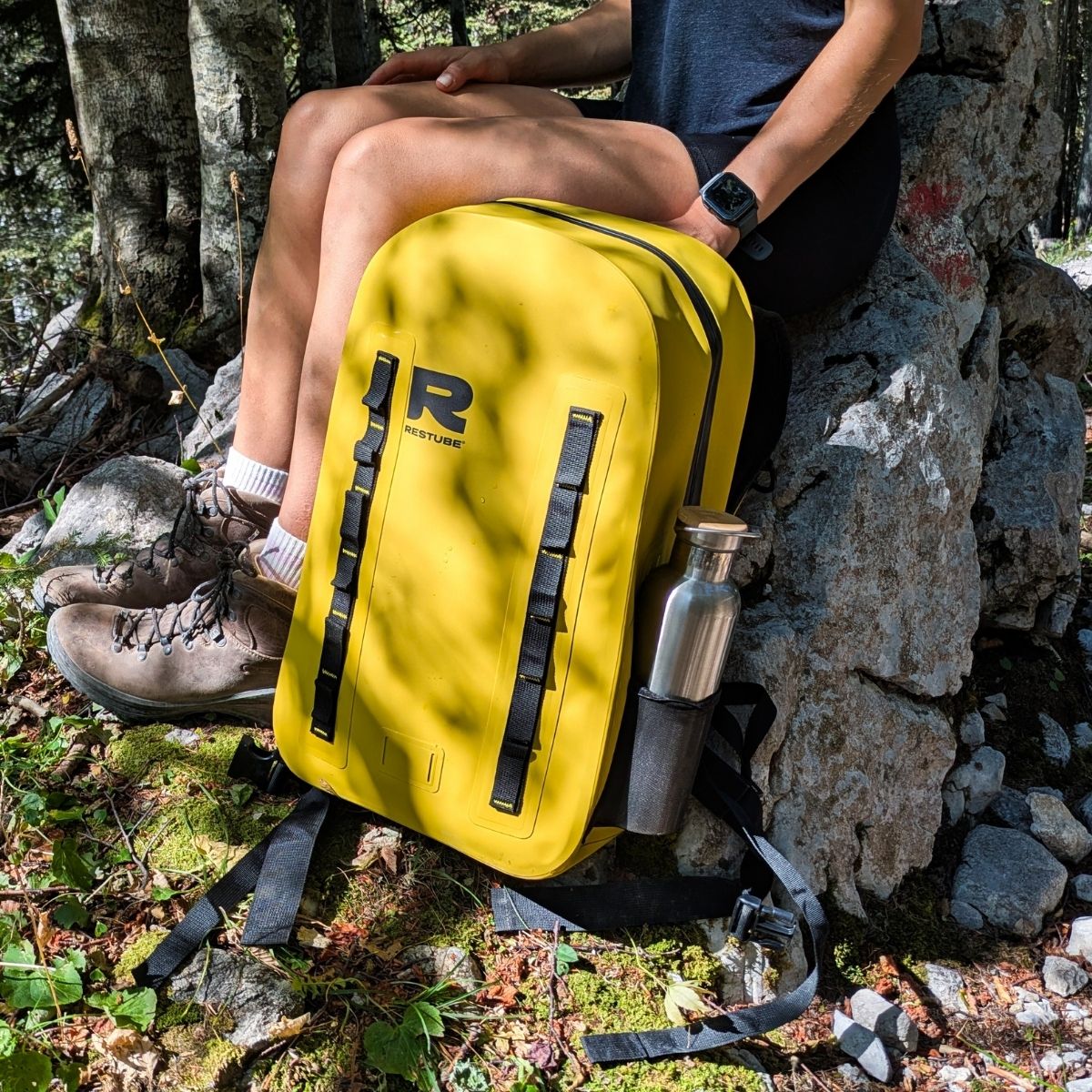
OCEAN 28 L
Your 100% waterproof all-round outdoor backpack
-
COAST 25 L
Your water-resistant roll-top backpack for work & adventure
-
WATERPROOF LED SAFETY LIGHT
-
EMERGENCY WHISTLE
Robust and loud emergency whistle
-
REFLECTOR
Self-Check
Go or No-Go
Check yourself, check the water, then decide if you can paddle.
Suitable for
- Beginners on calm, wind-free water with brief instruction
- Experienced paddlers, even in moderate wind, waves or light current – in currents, use a quick-release waist leash instead of a standard ankle leash (entanglement risk!)
- Fitness and endurance athletes looking for a full-body workout
- Children from about age 6, once they can swim confidently, wearing their own certified flotation aid, staying close to shore and supervised
- Older adults without pre-existing conditions, accompanied, on calm water
- Dogs used to water, wearing their own life vest, supervised
Better not, if
- Strong wind – especially offshore – or a storm warning is in effect
- Strong currents, flooding or whitewater occur without sufficient experience or the right leash
- Thunderstorms or a sudden change in weather are forecast
- You can't swim or feel unsafe in water – without an additional flotation aid
- Alcohol or medication that impairs reaction time has been consumed
- Known heart or circulatory conditions are present without medical clearance
- Water quality is unknown, questionable, or officially restricted
- Water temperature is below 18°C (64°F) and no suitable wetsuit is worn (below 10°C/50°F: at least 5/4mm)
Expert Voice
What Our Ambassadors Say
FAQ: Stand-Up Paddling
Still have questions about stand-up paddling? Here you'll find answers on safety, gear, and the most common uncertainties around SUP.
Is stand up paddling dangerous?
What's a PFD, and do I need one for SUP?
Can I bring my dog on the SUP?
What leash should I use for SUP?
What happens if I fall off my board?
Is there a weight limit for paddle boarding?
What should SUP beginners keep in mind?
What wind speed is safe for paddle boarding?
Can you SUP in winter?
Water Safety Guide
More articles about Stand Up Paddling
-
BASICS & RISKSRead Article →Suction Currents At Weirs And Locks: The River Hazards That Are Hard to Escape
While dramatic phenomena like large hydraulic rollers or rapids often attract attention, the more common and realistic danger in many central European rivers lies at fixed structures such as locks, weirs, and water outlets. Here, eddies and vertical suction currents develop, making these spots particularly misleading for swimmers and water sports enthusiasts - hard to see and often limited to very small areas.
-
BASICS & RISKSRead Article →Understanding Hydrodynamics: Currents, Surf And Water Movement
Water is never passive - it carries, pushes, and pulls. Beneath every calm surface, invisible forces are constantly at work, shaping currents, surf, and water movement in ways most people never notice. Understanding how water moves, why certain spots are far more dangerous than they appear, and how to recognise and respond to them can make all the difference when it matters most.
-
BASICS & RISKSRead Article →Dangerous River Currents: How To Spot Eddies, Weirs & Hidden Current Traps
In Germany, 153 people drowned in rivers and streams in 2025 (DLRG Drowning Statistics) - making flowing water the leading environment for drowning deaths. Currents in rivers are rarely uniform. Particularly in areas where the natural or man-made structure of the river changes, complex and often chaotic current patterns develop. This includes river bends, bridge pillars, weirs, locks, and other structures. It is precisely at these points that many accidents occur, because the forces at work there are difficult to detect and exceptionally strong.


