Self-Rescue vs. Assisted Rescue – What's the Difference?
Self-rescue refers to all the actions a person takes on their own to protect themselves from drowning: preventing a life-threatening situation from getting worse, keeping the airway clear, and bridging the time until a safe return to land or until outside help arrives. It sits at the intersection of prevention, providing flotation and remove from water. If a person manages to conserve their strength for as long as possible and avoid dangerous oxygen deprivation, their chances of getting through a drowning incident safely rise significantly. Self-rescue is often equated with the ability to swim – but that falls short. Modern concepts of water competence define self-rescue as the interplay of motor, physiological, cognitive, and psychological skills in unexpected moments in the water. Want to learn more about the difference between water competence and swimming ability? Click here.
Assisted rescue, on the other hand, refers to all the actions a second person takes to save someone else from drowning. Both forms sit at the intersection of the third link (providing flotation) and the fourth link (removing someone from the water) of the Drowning Chain of Survival, and often determine whether a drowning process can be stopped early.

Controlling Your Breathing and Conserving Energy
The most important goal of any self-rescue is to interrupt the drowning process as early as possible – in other words, to lower energy expenditure while keeping the blood's oxygen supply intact. Numerous studies show that frantic swimming movements under stress often do the opposite. Uncoordinated movements increase drag, swimming becomes less efficient, and oxygen consumption keeps rising. At the same time, the mouth and nose go under more often, causing water to be inhaled. Modern self-rescue therefore doesn't aim for maximum physical performance, but for making the most economical use of remaining strength.
Breath control is especially important here. The body responds to acute threat with a stress reaction: adrenaline release, a faster heartbeat, faster breathing. This stress reaction briefly boosts oxygen uptake, but it also significantly increases the work of breathing and makes complex movements harder to coordinate. Conscious, calm breathing counteracts this: it lowers the breathing rate and allows for more effective lung ventilation. Research from emergency psychology also shows that calm breathing can put the body into a more relaxed state, weakening the stress response. For self-rescue, that means breath control isn't just a mental exercise – it directly contributes to physical stabilization.

Equally important: avoiding unnecessary muscle effort. If an immediate return to land isn't possible, international water rescue organizations recommend adopting a calm, stable floating position rather than swimming frantically – every unnecessary movement burns oxygen and shortens the time the body can stay adequately supplied. Especially in open water or when the rescue timeline is unclear, the ability to conserve energy by floating calmly can be a decisive survival advantage.
This exact technique – staying calm, minimizing movement, and controlling your breathing to conserve energy – is known internationally as drown proofing, a survival method taught in many lifesaving and open-water training programs.
Additional Buoyancy in Self-Rescue
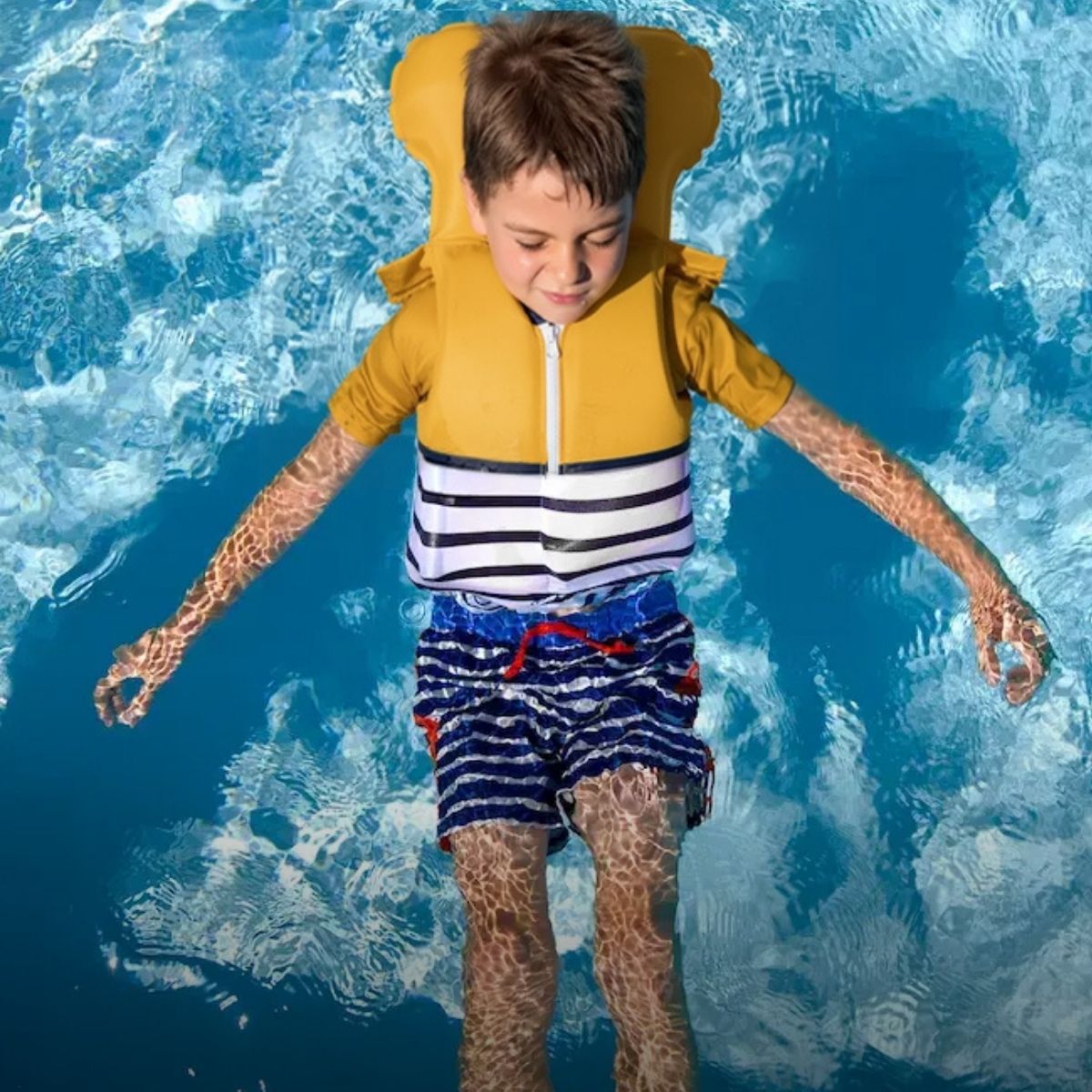
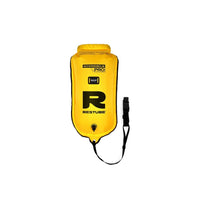
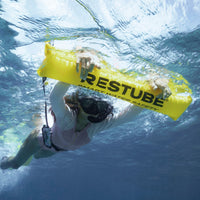
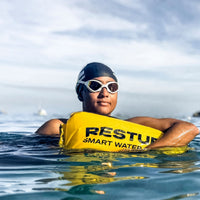
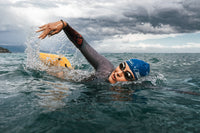
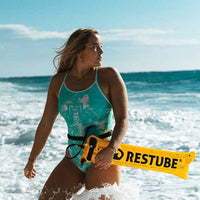
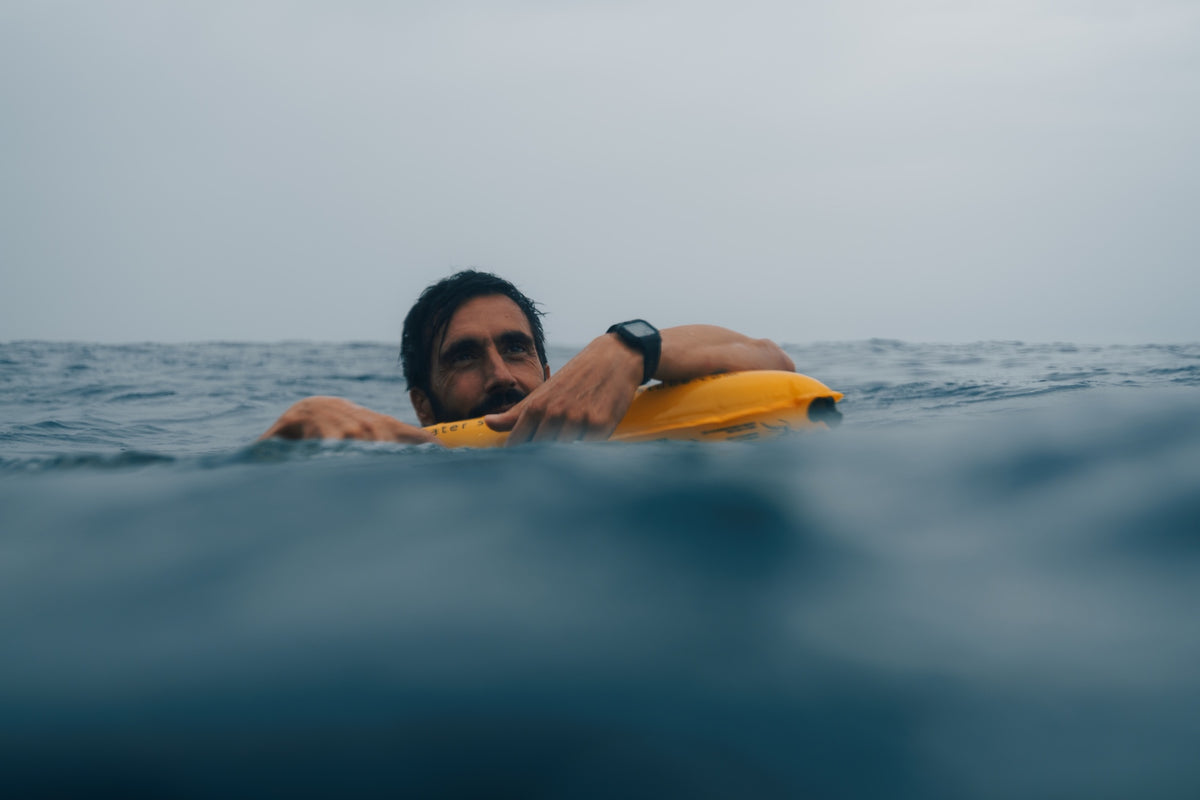
As described in the article Provide Flotation: Why Buoyancy Saves Lives When Drowning additional buoyancy reduces exactly the muscle effort needed to keep the airway above the water's surface. This lowers energy expenditure while making breathing easier at the same time. For self-rescue, that means: anyone who can create additional buoyancy for themselves conserves their strength longer and lowers the risk of dangerous oxygen deprivation – especially when immediate rescue isn't possible and staying in the water longer becomes necessary.

Sudden contact with cold water poses a particular challenge: even temperatures below about 15°C (59°F) can trigger what's known as cold water shock – involuntary, reflexive gasping, hyperventilation, a faster heartbeat, and a sudden spike in blood pressure. For self-rescue, that means: right after entering the water, the priority is to consciously control your breathing and avoid frantic movements. Click here to read exactly how cold water shock unfolds, and what makes it so dangerous.
Making the Right Call Instead of Overestimating Your Strength
Self-rescue isn't just a matter of physiology – it's also a matter of making the right decisions. Many drowning incidents escalate because people overestimate their remaining strength and try to swim to a shore or boat that's too far away. It's often safer to continually reassess the situation: if help is already on the way, or if buoyancy can bridge the waiting time, staying in a stable position is often the smarter choice than an uncontrolled swim against current or waves. Learn more about load management and physical warning signs in the water sports here.
Conclusion
In summary, self-rescue involves far more than the ability to swim. It describes the deliberate use of physiological, motor, and cognitive strategies to interrupt the drowning process. Together, these form a close interplay of:

- Breath control
- Reducing energy expenditure
- Using available buoyancy
- Responding appropriately to cold
- A realistic assessment of your own physical capacity
Within the Drowning Chain of Survival, self-rescue is therefore the first active opportunity for the person affected to positively influence the course of a drowning incident themselves – not through maximum strength, but through smart decisions made under pressure.




















 Swimming
 Surfing
 Kitesurfing
 Stand Up Paddling
 Windsurfing
 Casual beach days
 On board
 Snorkeling
 Rowing
 Canoeing & Kayaking
 Fishing
 Professional Rescue
 Stream/Creek
 River
River
 Canal
Canal
 Sea
Sea
 Swimming Pool
 Lake
Lake
 Pond
Pond


