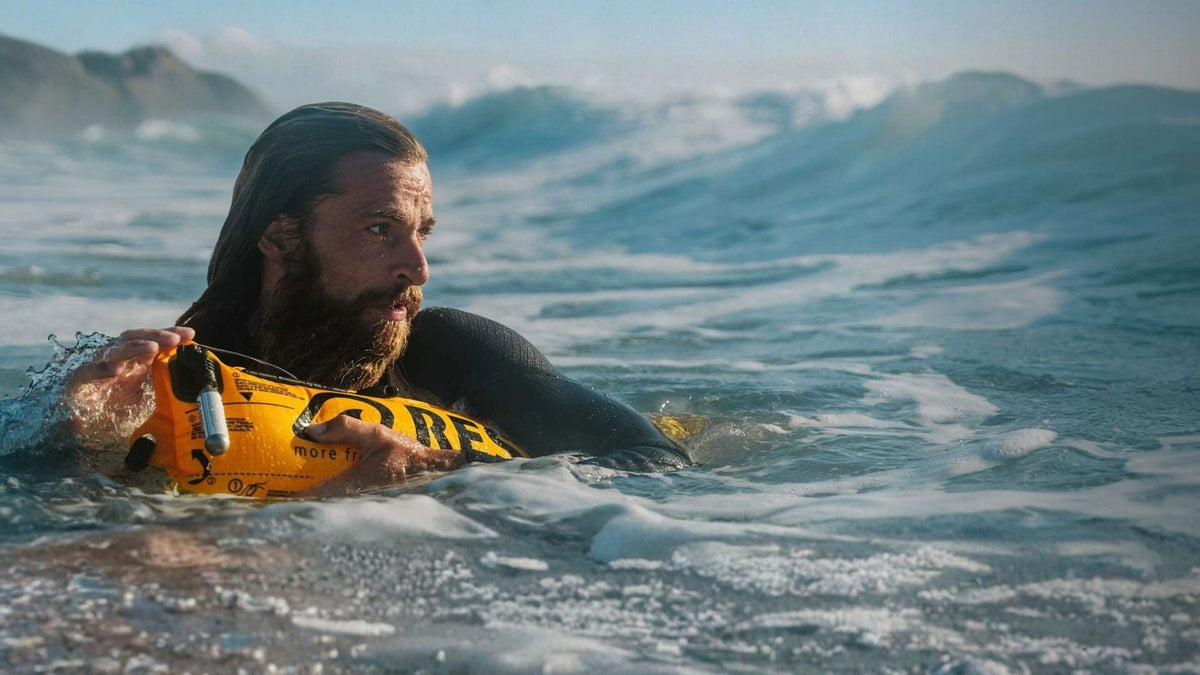

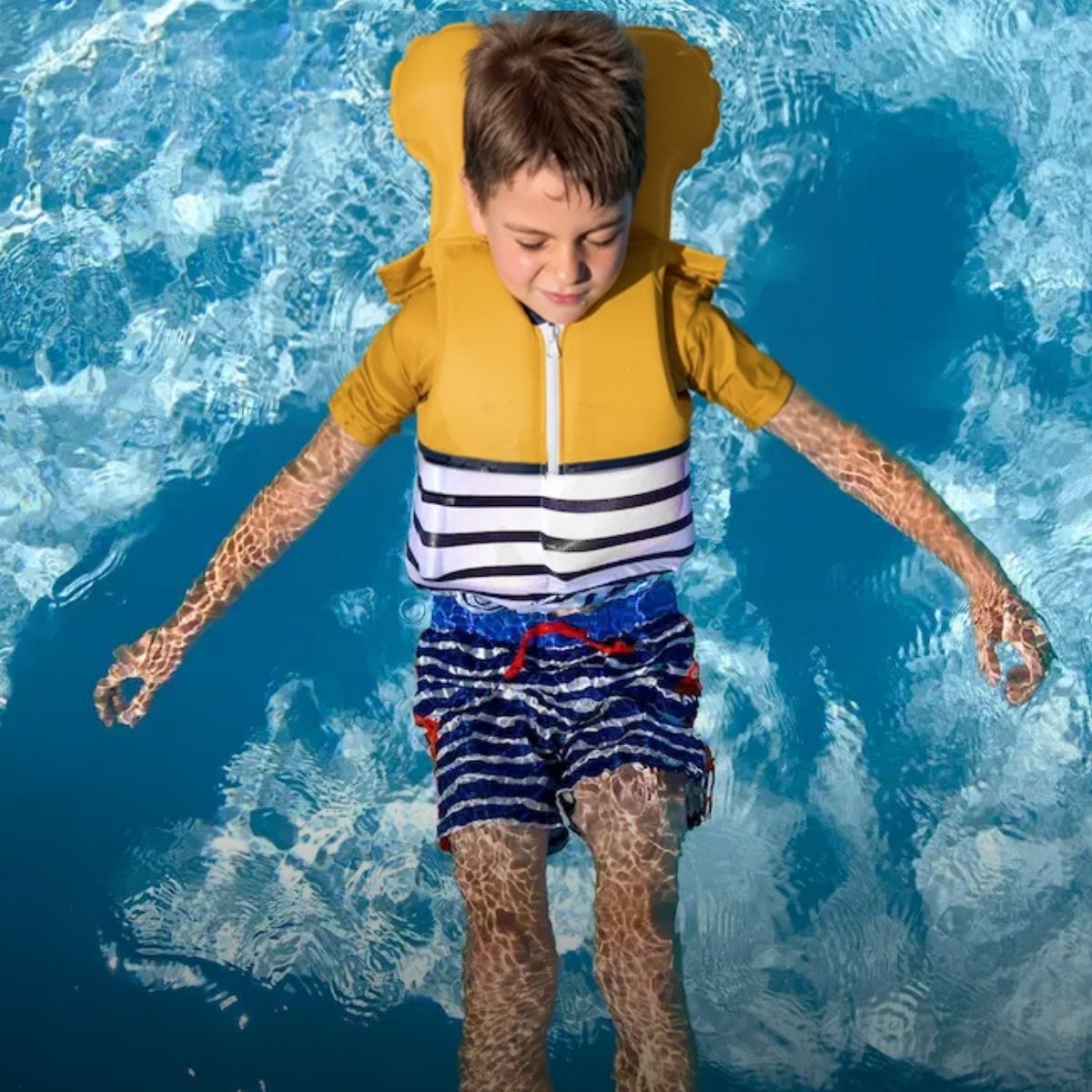
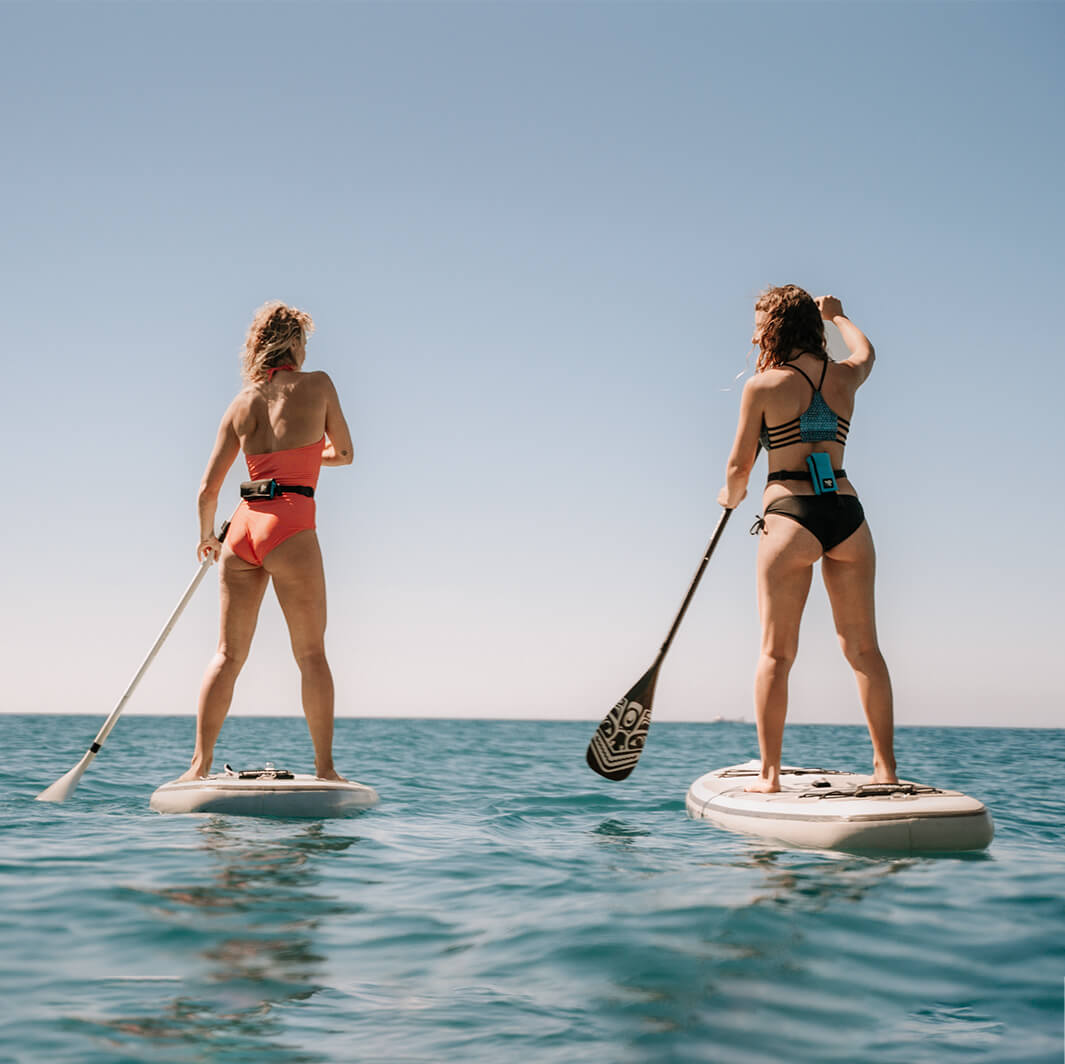

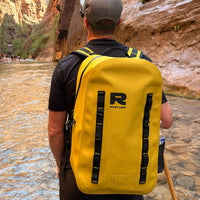
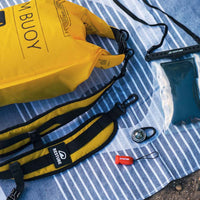
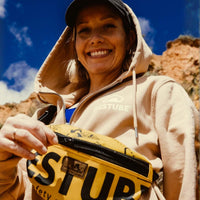


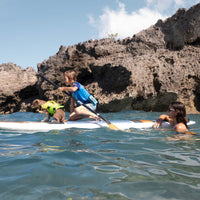
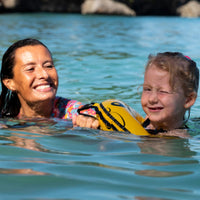
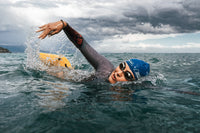



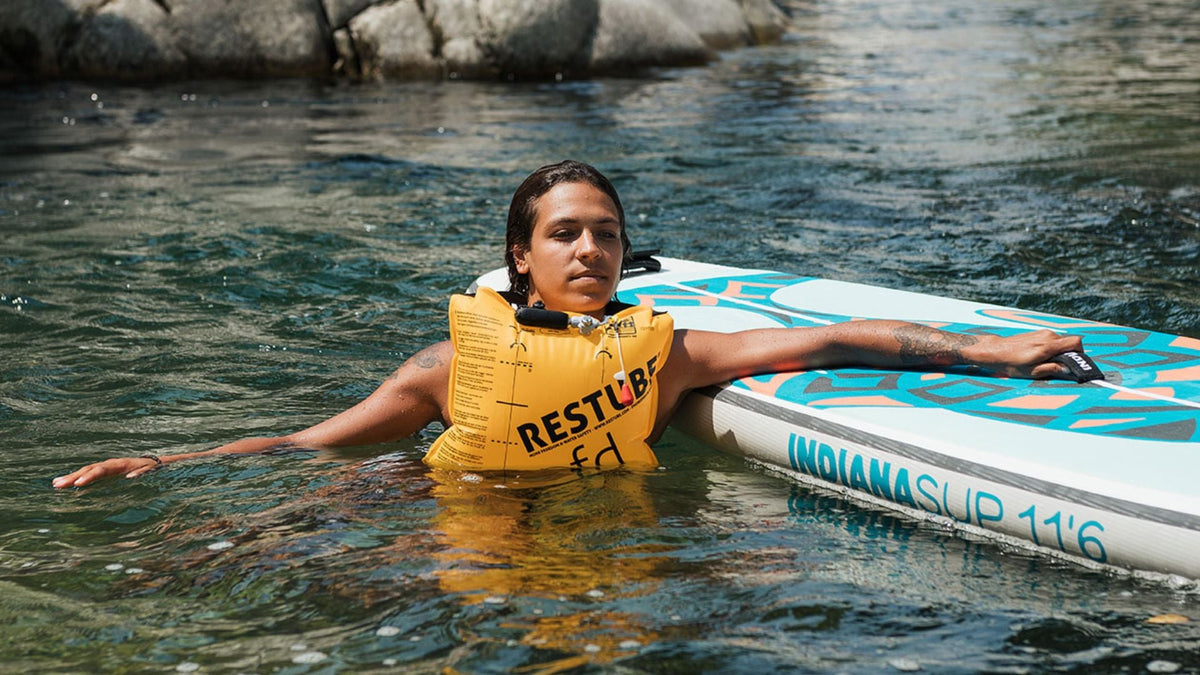
Whether you’re gliding across a lake on your SUP, paddling your kayak along the coast, or feeling the wind on your face out on deck: on the water, you experience pure freedom. But conditions can change in an instant. A gust, a wave, a fall – and suddenly, all that matters is gear that works when it counts.
We’ve already compared a Safety Buoy like the ACTIVE with a PFD. Now it’s time for the next question: Is a buoyancy aid (PFD) enough for you, or do you need a life jacket? In this guide, we break down the key differences so you can make the right choice for your next adventure on the water.

Buoyancy Aid or Life Jacket: The Key Difference
The DIN EN ISO 12402 standard groups all vests under the term "personal flotation devices" and divides them into two categories:
- Buoyancy aids (50N class): These include most water sports vests and PFDs (Personal Flotation Devices), which are often sold as "swim vests". They give you extra buoyancy, so you need less energy to stay afloat and tire more slowly. The prerequisite: you are conscious and actively swimming.
- Life jackets (100N, 150N, and 275N classes): They keep your head above water even when you can no longer do so yourself. They offer significantly more buoyancy, can automatically turn you onto your back, and keep your airways clear.
The golden rule: Every vest gives you buoyancy, but only life jackets are designed to keep an unconscious person face-up.
How reliably they turn you onto your back in an emergency depends on the performance level:
- 100N – limited protection when unconscious: only for sheltered waters and light clothing
- 150N – protection when unconscious: the standard for coastal and offshore waters, even with regular foul-weather clothing. Heavy, waterproof clothing can impair the turning effect.
- 275N – protection when unconscious, even in extreme conditions: for offshore use and heavy protective clothing
PFD vs. Life Jacket: A Direct Comparison
Which system suits you depends on where you’re heading out and how likely it is that you’ll need passive help in an emergency.
Applications: What Do You Need, and Where?
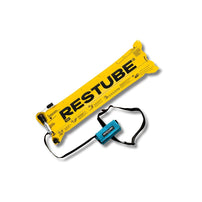
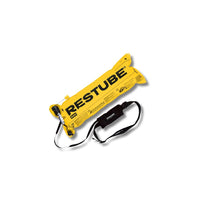
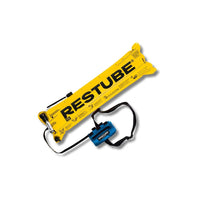
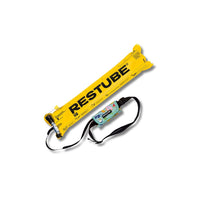
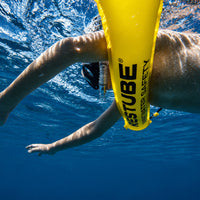
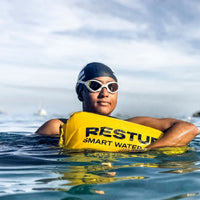
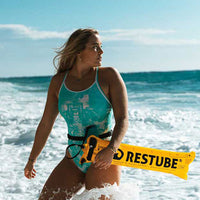
- PFD (Personal Flotation Device): The PFD by RESTUBE is made for active water sports enthusiasts on inland waters and close to the coast. Whether you’re stand-up paddling, canoeing or kayaking on lakes and rivers, or rowing in sheltered waters: here, your freedom of movement comes first.
- Life jacket: On open water and in rough conditions, a life jacket is essential. The SAIL is your companion for sailing, while the BOAT has you covered for kayaking and canoeing on open water as well as on motorboats and leisure boats. If you fall overboard, they keep you at the surface and turn you onto your back – even in foul-weather clothing or if you lose consciousness.
“I wear the RESTUBE Safety System pretty much always and everywhere – whether training on my home lake, downwinding at sea, or just surfing. I like how compact it is, and it simply gives me a sense of safety. I think safety on the water is important in general. No matter how experienced you are, you can never predict exactly what will happen and when. That’s why I think RESTUBE products are perfect!”
Anna Tschirky
Stand-Up Paddler and Nature Lover
Activation: Manual or Automatic
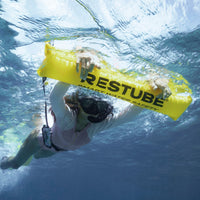
- PFD: One controlled pull on the trigger, and the bladder inflates within seconds. The system sits securely on your belt; after deployment, you simply slip the integrated neck strap over your head. This keeps you stable in the water so you can rest or wait for help. The integrated SUP leash also keeps your board close by, giving you something to hold on to.
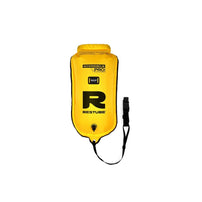
- Life jacket: RESTUBE life jackets inflate automatically on contact with water via a UML trigger. You can also activate them manually at any time. The SAIL features an integrated harness that lets you clip in to the boat with a lifeline. The BOAT is specially designed for paddling and sitting. A two-shell construction protects the air chamber from damage. Thanks to the RESTUBE READY patch, you can also attach a safety buoy to the vest – so it’s always within reach to give others buoyancy and make you more visible on the water.

Technical Details: Buoyancy, Weight, and Fit
Buoyancy aids like the RESTUBE PFD and life jackets differ not only in where they’re used, but also in how they’re built.
-
Buoyancy: The Newton rating shows how strongly a vest holds you at the surface.
The PFD by RESTUBE is certified in the 50N class but actually delivers 75N of buoyancy. The BOAT and SAIL life jackets deliver 165N, exceeding the minimum requirement of their 150N class. Learn more about buoyancy -
Weight and pack size: The lighter the vest, the more freely you move.
The RESTUBE PFD is the smallest and lightest CE-certified buoyancy aid in its class. It weighs just 315 g (11.1 oz) and folds into a pouch barely bigger than a smartphone. Life jackets are larger and heavier because they deliver more buoyancy and support your head with a collar. Still, the BOAT and SAIL lie flat on your shoulders until they’re activated, making them far more comfortable than foam vests. -
Fit: Only a vest that fits properly can protect you reliably.
You wear the PFD as a belt around your waist. The BOAT and SAIL sit on your shoulders and are designed for people weighing 40 kg (88 lbs) or more. The straps adjust to a chest circumference of 44 to 140 cm (17 to 55 in), so they fit just as well over a lycra as over a drysuit.

Certifications and Regulations
The official certifications tell you which waters a vest is designed for:
- PFD by RESTUBE: certified under DIN EN ISO 12402-5 and DIN EN ISO 12402-6 as a 50N-class buoyancy aid. Intended for sheltered waters, when you can swim and help is close by.
- BOAT: certified under DIN EN ISO 12402-3 and DIN EN ISO 12402-6.
- SAIL: certified under DIN EN ISO 12402-3 and DIN EN ISO 12402-6, and additionally under DIN EN ISO 12401 for the integrated harness.
Good to know: In Switzerland and on Lake Constance, stand-up paddlers must carry a certified buoyancy aid (min. 50N, ISO 12402-5) beyond the 300-meter (approx. 330-yard) shore zone – and on Swiss rivers at all times. The PFD by RESTUBE fully meets this requirement without restricting your movement while paddling.
Which Safety Backup Fits Your Adventure?
Whether you choose a PFD or a life jacket mainly depends on three things: the waters you’re on, the sport you do, and the regulations that apply there.
- PFD for paddlers: Do you paddle on a SUP, in a kayak or canoe, on a lake or close to the coast? Then the PFD is your reliable partner. The certified buoyancy aid weighs just 315 g, provides 75N of buoyancy, and gives you full freedom of movement while paddling.
- Life jacket for open water: Are you drawn to open water, on board a sailboat or a motorboat? Then there’s no way around a life jacket that protects you even if you lose consciousness. The BOAT and SAIL give you 165N of buoyancy and inflate automatically on contact with water, turning you onto your back even if you can no longer act yourself.
PFD vs. Life Jacket at a Glance
| PFD | BOAT / SAIL life jacket | |
| Category | buoyancy aid (50N class) | life jacket (150N class) |
| Best for | SUP, kayaking, canoeing, rowing in sheltered waters | sailing (SAIL), kayaking/canoeing on open water and motorboats (BOAT) |
| Buoyancy | 75 N | 165 N |
| Keeps you face-up when unconscious | no | yes |
| Activation | manual pull, replaceable 16g CO2 cartridge | automatic on water contact via UML trigger or manual pull, replaceable 33g CO2 cartridge |
| Product weight | approx. 315g (11.1 oz) | approx. 780g (27.5 oz) BOAT / approx. 900g (31.7 oz) SAIL |
| User weight | for adults | from 40 kg (88 lbs) |
| Extras | integrated SUP leash | READY patch, harness (SAIL) |
| Certification | DIN EN ISO 12402-5 / -6 | DIN EN ISO 12402-3 / -6, SAIL additionally 12401 |
Choose the backup that matches your conditions – and enjoy your freedom on the water!