

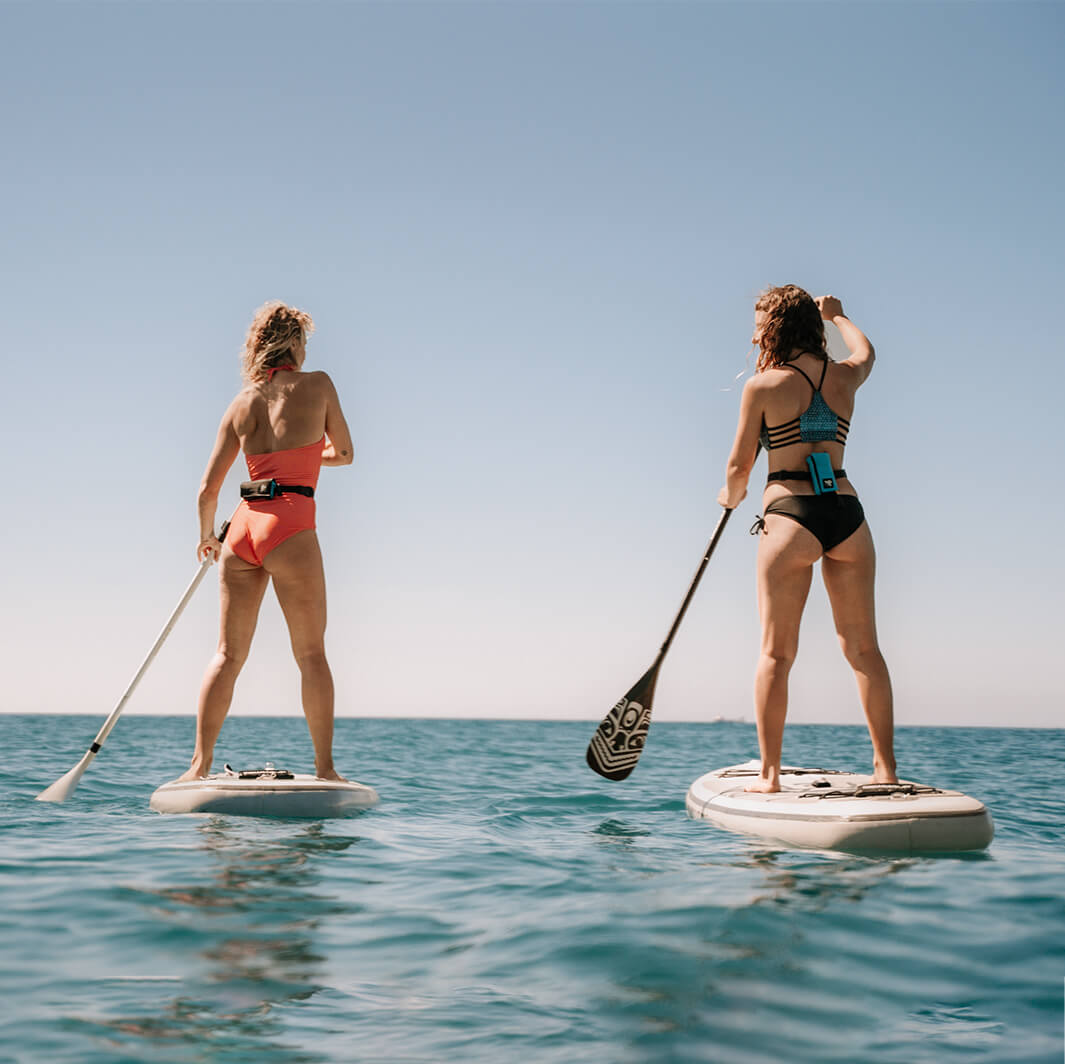

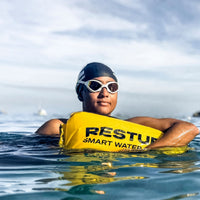

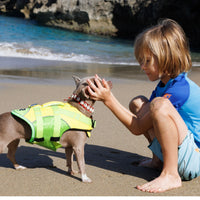


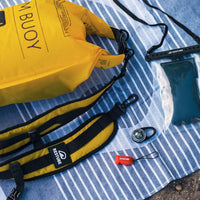

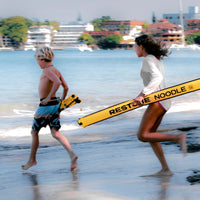









You're standing on your SUP board, feeling the gentle swell beneath your feet as you glide along in silence. That is pure freedom. Yet every experienced watersports enthusiast knows: water has immense, untamed power. A sudden cramp, an unexpected current, or abrupt fatigue can put even seasoned athletes in jeopardy. True peace of mind begins the moment you know you have a dependable backup strapped to your waist. In this guide, we compare the ACTIVE and PFD safety buoys so you can find the exact level of protection that fits your needs.
The Detailed Comparison: ACTIVE vs. PFD
Although several safety solutions exist today for stand-up paddling, canoeing, kayaking, and rowing (including both the ACTIVE and PFD), our water safety study revealed a sobering fact: only 20% of stand-up paddleboarders and 29% of kayakers always carry safety gear. To help change those numbers, we break down how to make an informed decision between different safety buoys for enhanced peace of mind on the water.
ACTIVE and PFD: Activities Compared Directly
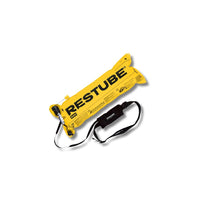
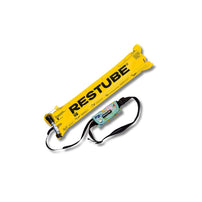
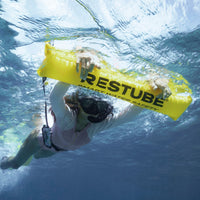
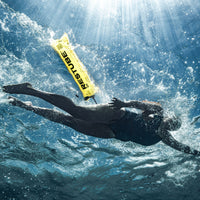
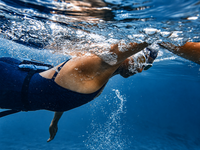
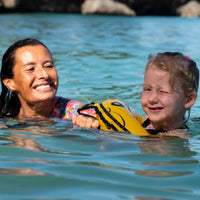
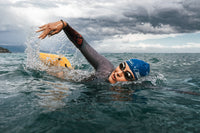
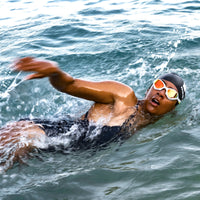
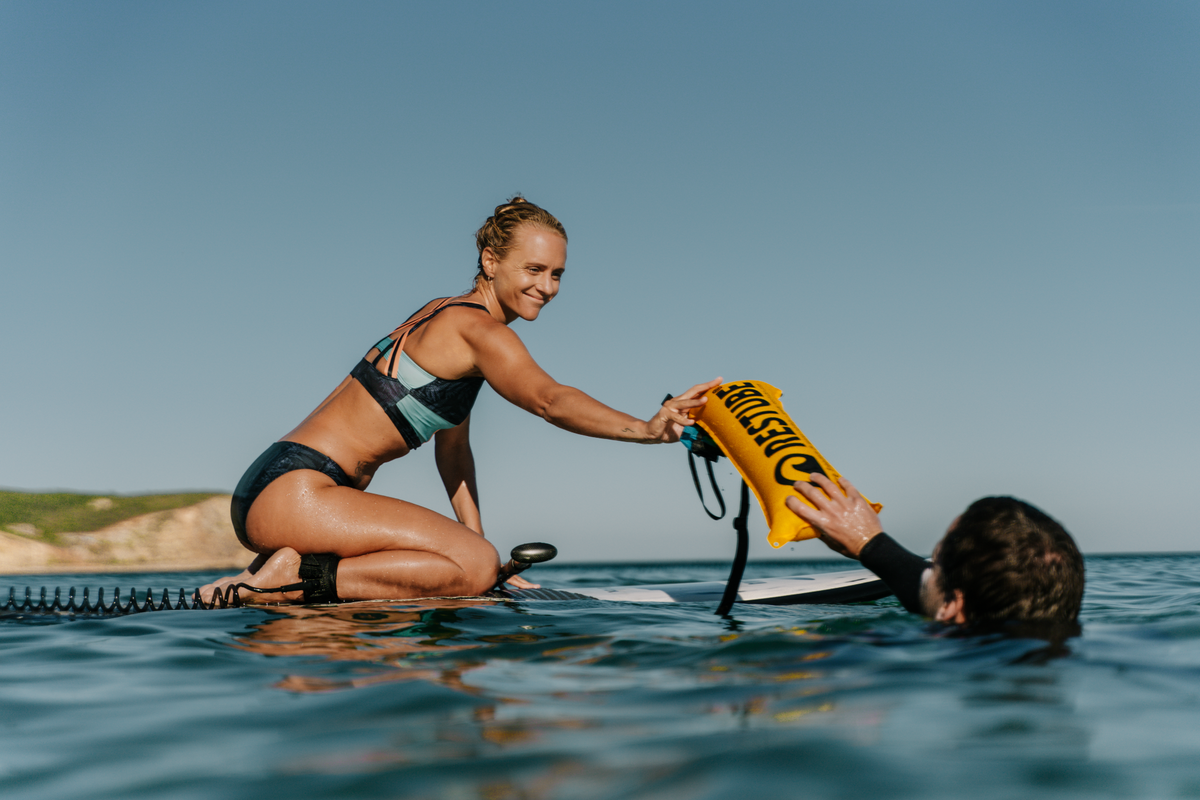
- ACTIVE: Packing 75N of buoyancy, this all-rounder is our best-selling safety buoy, engineered specifically for active watersports enthusiasts. Whether you're stand-up paddling, open-water or ice swimming, training for a triathlon, kayaking, rowing, or diving, the ACTIVE is the go-to choice for anyone who spends serious time in the water.
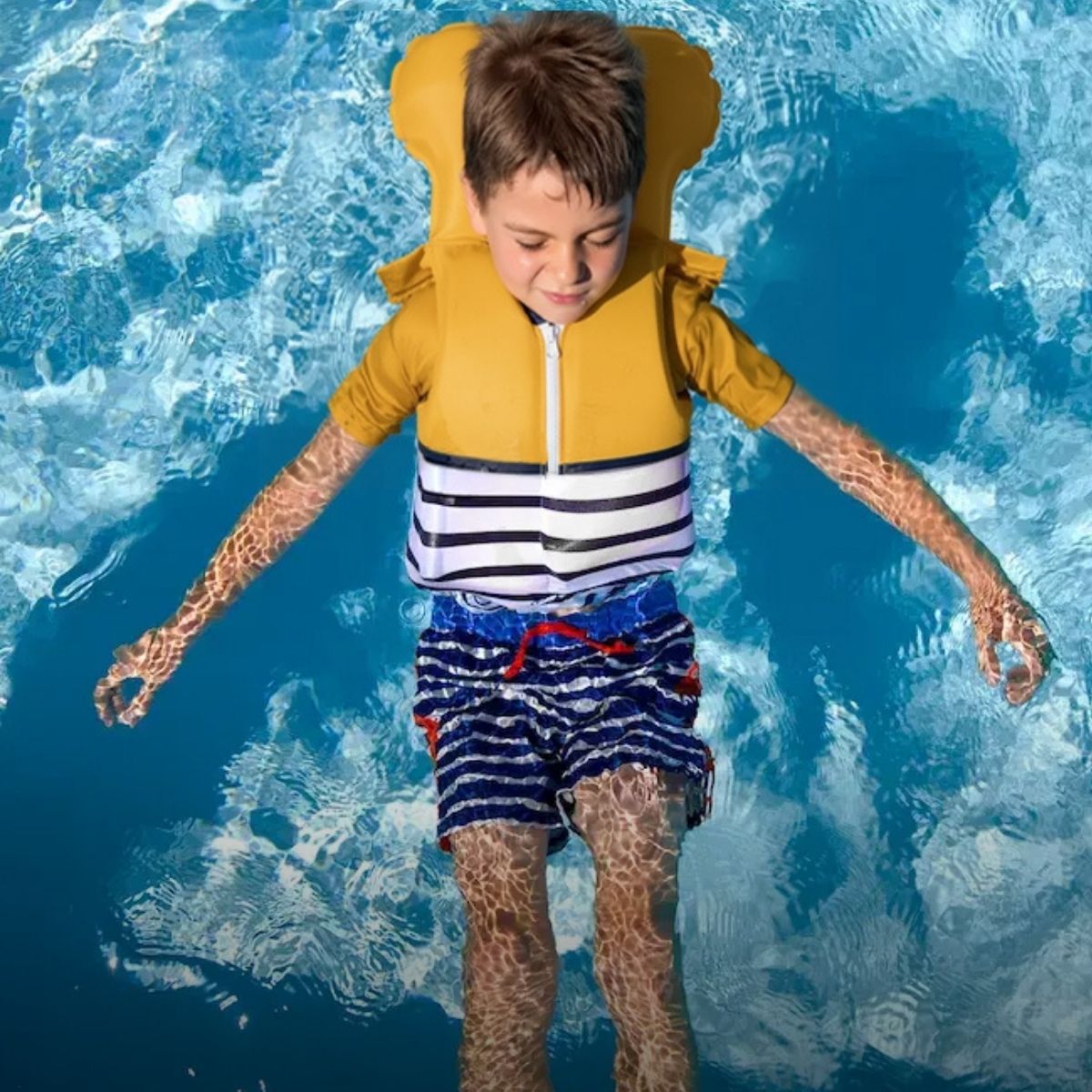
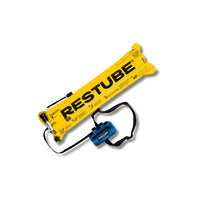
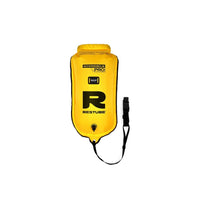
- PFD (Personal Flotation Device): The acronym "PFD" is the international standard term for personal flotation equipment. In German-speaking and European circles, people often search for "PFD life vest," which typically refers to an inherently buoyant 50N foam vest. These vests are suited for non-confident swimmers and especially for activities that require continuous passive buoyancy alongside a high risk of hard impact. The RESTUBE PFD takes a different approach: as an inflatable safety buoy, it is the most compact certified swim aid in the 50N class, far smaller than a foam vest, yet delivering 75N of actual buoyancy. It is the ideal choice for all water activities where a CE-certified swim aid is mandatory or commonly required, such as SUP, canoeing, kayaking, or rowing in designated waters.
Here is a simple rule of thumb to remember the difference:
"Every swim aid is a buoyancy aid. Not every buoyancy aid is a certified swim aid."
Under this rule: ACTIVE is a buoyancy aid; PFD and traditional swim vests qualify as certified swim aids.
Learn more about ACTIVE vs. BEACH/ONE
The Safety System: How ACTIVE and PFD work
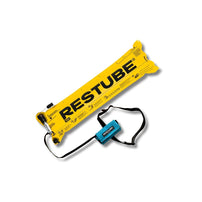
- ACTIVE: The system is powered by the proven RESTUBE Safety System (RSS). A firm pull on the trigger inflates the yellow buoy within seconds via an integrated 16g CO2 cartridge. After deployment, simply replace the cartridge, repack the buoy, and slip it back into its pocket. It is completely reusable as often as you like.
-
PFD: The PFD also relies on the RSS and deploys the same way. The difference lies in the shape: a square bladder inflates instead of a cylindrical buoy. Because the system stays securely anchored to your waist belt, you can slip the integrated neck strap over your head immediately after activation. The bladder stabilizes your body in the water right away, allowing you to catch your breath, conserve energy, or await assistance.
"Taking on the ocean should always be done safely. Winds, currents and waves can change in a matter of minutes and with the RESTUBE safety system I have an extra layer of safety. It can help me stay afloat and be seen. I wouldn't go out without my RESTUBE Safety Buoy!"
Tomás Lacerda
Waterman, Stand-Up Paddler, and Big Wave Surfer from Madeira
Legal Certifications: What Is Officially Recognized on the Water?
An often underestimated yet legally decisive factor on the water is the official certification of your gear:
- PFD: The RESTUBE PFD is officially CE-certified according to European safety standards (e.g., DIN EN ISO 12402-5/ DIN EN ISO 12402-6). If local rules on your home lakes, rivers (such as Lake Constance or Swiss inland waterways), or official competitive events (such as triathlons and SUP races) mandate carrying or wearing an approved swim aid, the RESTUBE PFD keeps you fully compliant and on the safe side of the law.
-
ACTIVE: While safety buoys like ACTIVE provide vital emergency buoyancy when it counts, they do not carry formal CE certification as Personal Protective Equipment (PPE). They serve as an ultra-compact (195g) backup for your personal peace of mind, but do not legally substitute for an officially mandated vest or PFD where one is explicitly required by law.
"It's incredible to be able to do the water sport you love without having to worry about what happens if I paddle too far or fall in. But also to be able to help other people in tricky situations. You too, wear a RESTUBE safety buoy, always!"
Kimo Kersting
Water sports enthusiast and professional Stand-Up Paddler
Technical Specifications: Buoyancy, Weight, and Dimensions at a Glance
Finding the sweet spot between minimal weight, maximum adaptability, and sufficient buoyancy determines how much energy you have left for your sport – and how safely you rest in the water in an emergency.
- Buoyancy: Both the ACTIVE and the PFD deliver an identical physical buoyancy of 75N (approx. 7.5 kg / 16.8 lbs) when deployed, as both systems utilize the standardized 16g CO2 cartridge.
- Weight and Dimensions: While the ACTIVE is an ultralight pocket-sized design weighing just approx. 195g (6.9 oz), the PFD weighs approx. 315g (11.1 oz) due to its more rugged, certified construction, with slightly larger pouch dimensions.
- Fit: Both models mount securely to a waist belt, leaving your upper body and arms completely free to move.
Your Path to Complete Peace of Mind on the Water
The choice of which backup system should accompany your water sessions comes down to your personal plans, your sport, and local regulatory requirements:
If you are swimming, rowing, stand-up paddling, or training for a triathlon, reach for the ACTIVE. As a versatile all-rounder for most watersports, this featherlight system gives you the exact freedom you want without ever compromising on a protective safety backup.
If, on the other hand, legal compliance for SUP, kayaking, rowing, or boating is your top priority, the PFD is your ideal solution. Wherever a CE-certified swim aid is required by law, this model is the right choice. At just 315g, it satisfies all regulatory vest standards while offering all the compact advantages of an inflatable system.
Find Your Perfect Backup: ACTIVE vs. PFD
| ACTIVE | PFD | |
| Best for | swimming, rowing, stand-up paddling, triathlon, open-water & ice swimming, kayaking, diving (almost all water sports) | SUP, canoeing, kayaking, rowing – wherever a certified swim aid is required |
| Legal certification | not CE-certified – emergency backup only | CE-certified under DIN EN ISO 12402-5/ DIN EN ISO 12402-6 |
| Buoyancy | 75 N | 75 N (officially classed as 50N-class swim aid) |
| Weight | approx. 195g (6.9 oz) | approx. 315g (11.1 oz) |
| Shape when deployed | cylindrical buoy | square bladder with neck strap |
| Trigger system | RESTUBE Safety System (RSS) – 16g CO2 cartridge, reusable | RESTUBE Safety System (RSS) – 16g CO2 cartridge, reusable |
| Fit | waist belt | waist belt with neck strap after deployment |
No matter where your next water adventure begins – say goodbye to restrictive, bulky gear and head out with the reassuring feeling of total peace of mind!
→ Explore RESTUBE safety solutions now and find your perfect backup!