
















Air Rescuers Train for Emergencies – DRF Luftrettung at Halterner See
Rotors beating the water, the helicopter hovering above Silbersee, a rescue diver descending on the winch. What looks like a movie scene is real: DRF Luftrettung – Germany's leading non-profit air ...
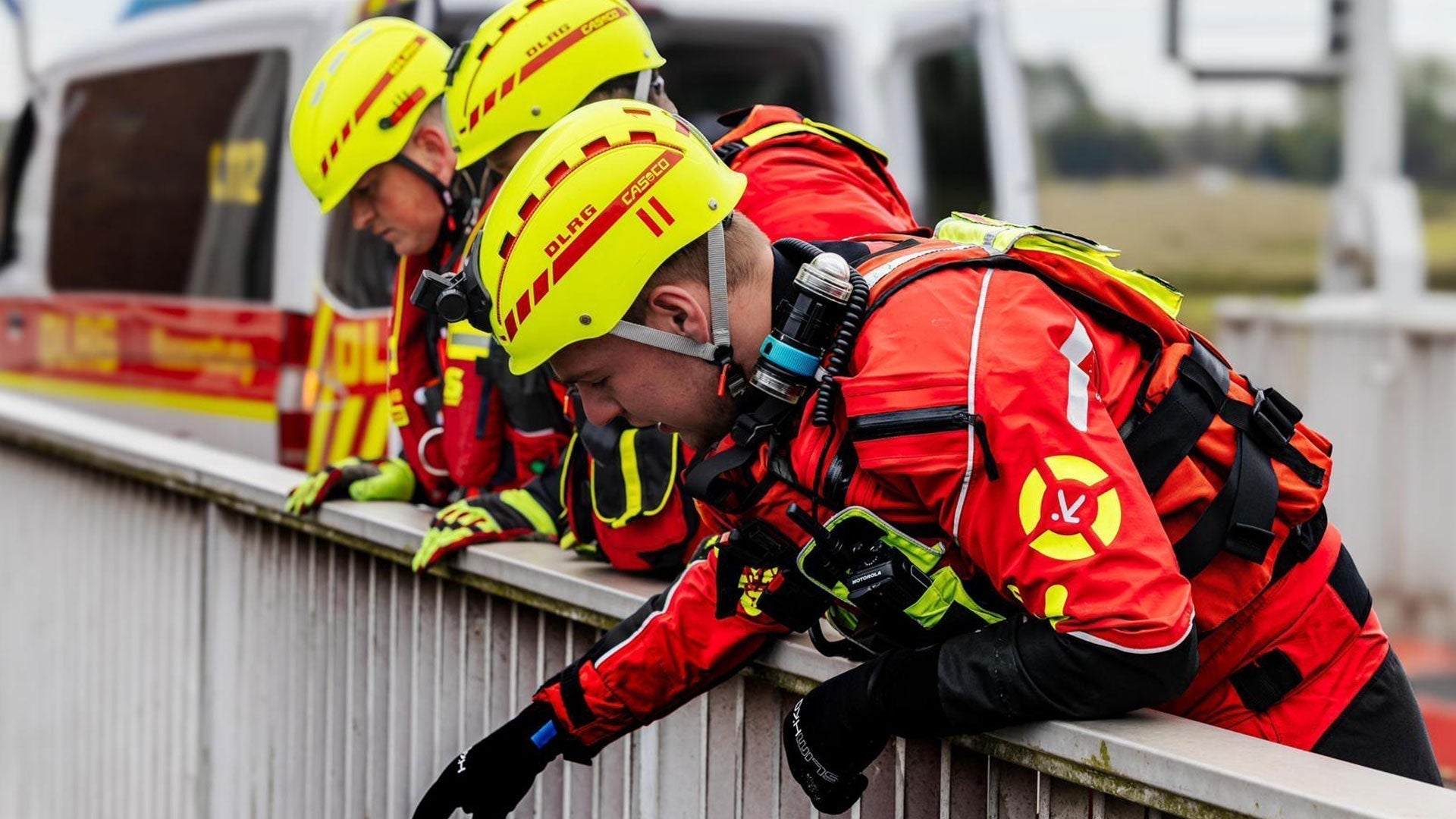
CURRENTS, TIDES AND RESPONSIBILITY – ON DUTY WITH DLRG CUXHAVEN
The North Sea around Cuxhaven looks peaceful. But tides, currents up to 16 km/h, and rapidly changing conditions make it one of Germany's most demanding water rescue areas. We spoke with Kieran Lüc...

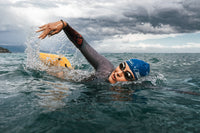
USA Triathlon Partners with RESTUBE – Official Swim Safety Buoy Partner
USA Triathlon is setting a new benchmark in open water safety by partnering with RESTUBE as its official “Swim Safety Buoy Partner.” This collaboration introduces an additional layer of personal sa...
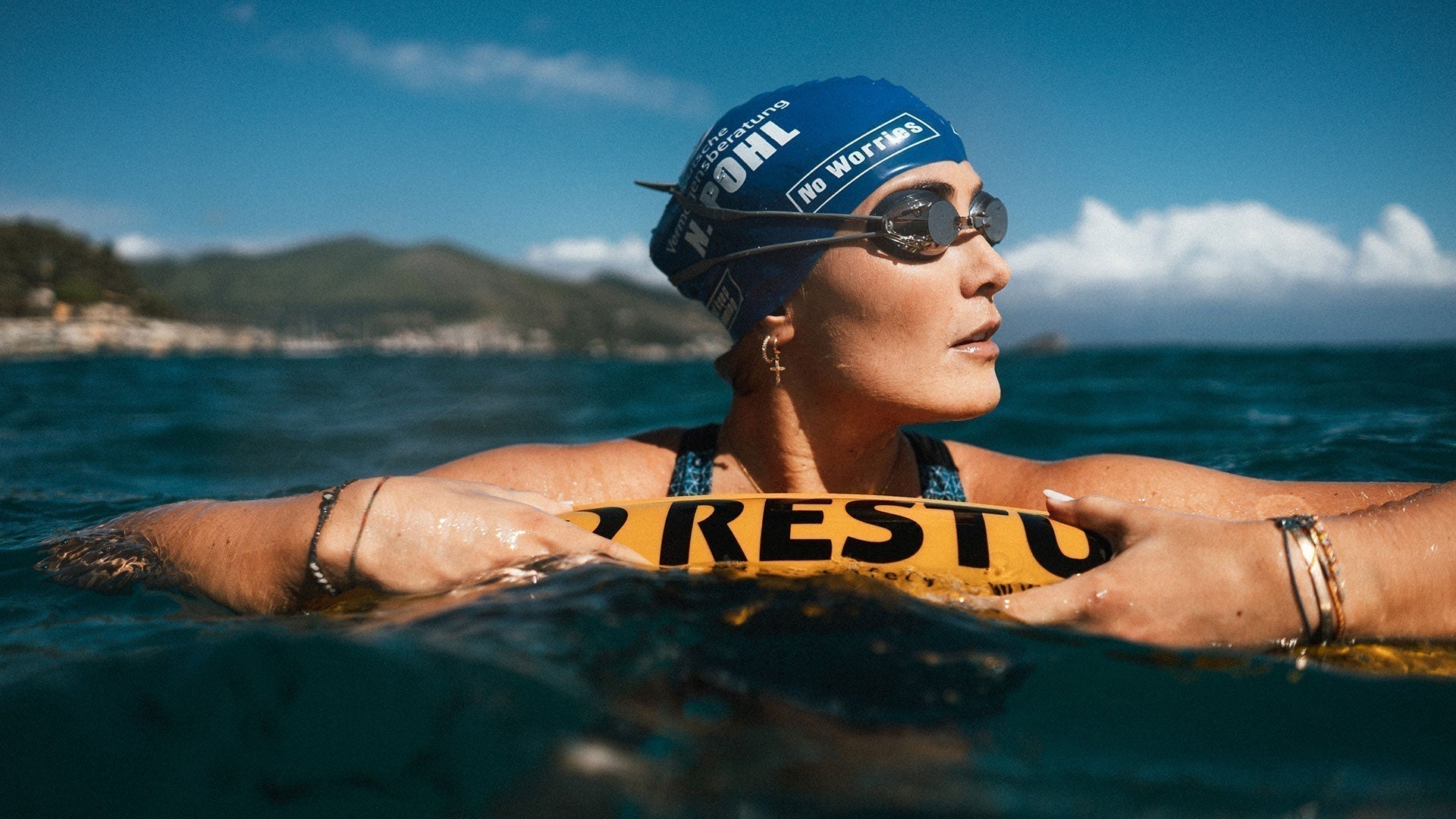
Newton in Buoyancy Explained Simply – and What It Means for Your Safety in the Water
What does 50N, 75N or 125N actually mean? This guide explains buoyancy in simple terms and helps you understand how much lift you need to stay safe in the water.

More Safety in the Water: RESTUBE Supports POLITUR Initiative in the Dominican Republic
RESTUBE partners with POLITUR and local organizations to improve water safety in the Dominican Republic – through lifeguard training, safety equipment, and awareness initiatives that help save lives.

“All Crew, Prepare for Rescue”: Inside a Sea Rescue Mission with SOS Humanity
“All crew, all crew – prepare for rescue.” With this announcement, a rescue mission often begins for the crew of SOS Humanity in the Mediterranean Sea. Within seconds, the atmosphere on board chang...

Drowning in Older Adults: The Overlooked Risk Group in Global Water Safety
New global data shows that adults aged 70+ now have a higher drowning rate than children under five — a shift driven by aging-related health and mobility factors. While child-focused prevention has...